


Despite all the hype about AI and automation, the secret ingredient for a truly delightful and memorable restaurant experience still comes down to human hospitality. This was true when I opened my first Burger King restaurant 22 years ago, and itâs still true today. A recent Harri consumer survey found only 3 percent of respondents desire fully automated guest experiences.Â
But when it comes to filling those human roles, itâs becoming harder than ever to find and keep quality talent. More than three-quarters of restaurant operators say retaining employees is a significant challenge.
Given these facts, the biggest question operators are asking is how agentic AI can empower managers and employees to work smarter, faster and with less stress.
Running a restaurant means facing hundreds of decisions in a single shift with fewer employees, tighter labor budgets and nonstop operational pressure. Most managers spend their days in constant firefighting modeâreacting to callouts, crowd surges or schedule gapsâinstead of leading their teams and improving the guest experience. Thereâs rarely time to pause and evaluate each decision.Â
This grueling schedule stretches supervisors thin, which creates a burnout cycle. These leaders are often too busy to dedicate much attention to their staff, which weakens team performance and employee satisfaction, translating to higher turnover. Managers are not immune to burnout either.
While AI canât (and shouldnât) handle guest interactions, agentic AI can help managers make informed decisions faster and recognize emerging problems before they happen. Unlike traditional AI tools that sit on the sidelines waiting for a prompt, agentic AI understands context and takes action.
In short, agentic AI delivers the long-awaited concept of the âultimate restaurant manager assistant,â all-seeing, all-knowing and always-on. It helps managers navigate the high-frequency decisions and challenges that make the difference between shifts that are happy and profitable, versus stressed and loss-making.
Itâs not just dataâitâs direction
AI is touted for its data prowess. Need to find patterns in hundreds of hours of employee shifts or thousands of customer transactions? AIâs got the answer.
The problem is, restaurant managers donât have time for data. They need solutions. Agentic AI goes beyond data analysis to both develop an initiative and take action.
Traditional AI can identify that labor costs are over target, but agentic AI addresses the issue by recommending specific shift adjustments and projecting the impact of these changes. These tools are context-aware, always on and embedded directly into existing tools to deliver the right advice at the right time. Thatâs where the time savings and real value unlock occur, which is the game-changer for our managers.
Hereâs how agentic AI can help all levels of restaurant operations.
Managers: Real-time support for decision-making
Like any job, restaurant managers learn from experience. Veteran GMs instinctively know how to staff and what issues to prepare for. If a new supervisor has never dealt with Super Bowl Sunday, itâs hard to anticipate how the shifts will go.
AI agents act as âalways onâ veteran co-pilots for new managers, dramatically shortening the learning curve. They acquire pattern-recognition insights instantly, rather than over months or years, enabling them to perform at a higher level faster. This speed is vital in an industry with high turnover.
For the Super Bowl Sunday example, agentic AI uses historical sales patterns and real-time order pacing to recommend a staffing plan that includes bringing in an extra cashier for the 30-minute surge before kickoff and staggering fryer coverage to avoid bottlenecks at halftime.
Managers can also detect stress in the system as it happens. Is the drive-thru line backing up? Is the grill station output gradually slowing down during a shift? Agentic AI notices issues and suggests mid-shift staffing changesâsuch as moving someone from the counter to the kitchenâto reduce staff stress and improve customer service. As managers accept or adjust agentic AIâs recommendations, the system learns what works for each location.Â
When managers have questions, they can ask agentic AI using everyday language, like âwho is approaching overtime?â and âwhatâs driving my labor variance today?â and receive specific explanations and solutions. This capability makes data insights accessible to everyone and fits into the rhythm of restaurant work. Managers get answers the moment they need them without a lot of legwork.
Agentic AI can realistically save four to six hours a week on administrative tasks for an individual manager, giving team leaders more time to spend on human connections – helping team members prepare high quality food and serve clients well. And when they can head off issues to prevent bigger problems,they experience much less stress.Â
Business: A compliant, high-performing operation
Most AI systems in restaurants are built around efficiency math: How can we do the same work with the fewest number of employee hours? But operators know labor is more than a costâit shapes guest satisfaction, team stress and sales.
Agentic AI expands the formula to place every employee hour where it creates value. These tools can continuously forecast demand and automatically adjust schedules for managers to approve. Sometimes that means adding coverage to peak times to protect sales and prevent burnout.
It detects scheduling compliance infractions, such as missed breaks, Fair Workweek violations or overtime. For example, agentic AI can flag that a 17-year-old employee is scheduled to work a second consecutive shift, which is a violation of labor laws, and then automatically suggest a compliant schedule change before the issue arises.
When a supervisor attempts to make a manual schedule change that introduces a problem, the AI immediately issues a warning and offers a remedy before the schedule gets published. One McDonaldâs GM we work with (in a complex compliance market) saves more than an hour on making schedules and reduces compliance warnings by 94 percent.Â
Employees: Consistency, calm shifts and better support
With Agentic AI scheduling, employees experience calmer, more predictable shifts. There are enough people on deck during busy times, and hours are distributed logically and consistently, building transparency and reducing frustration.
Staff also get more time with their shift leader, who is on the floor rather than stuck in an office. This builds camaraderie and a sense of belonging.
Hiring and onboarding become easier when agentic AI screens applications, schedules interviews and matches candidates to their ideal role. The technology also automates onboarding to ensure consistency and compliance. All of this adds up to employee retention in restaurants.
The market wants intelligent collaboration, not full automation. Agentic AI handles 90 percent of the rules-based decisions, leaving the judgment calls to managers. These tools clear the noise and surface problems and solutions within the workflow so managers can be leaders instead of firefighters.
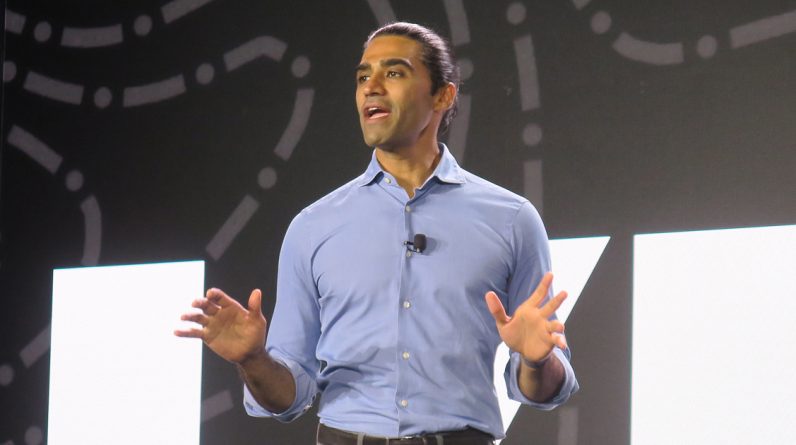
Luke Fryer is the Founder and CEO of Harri, a leading technology platform transforming workforce management in the hospitality industry. With over 15 years of experience building and scaling successful companies in the food and beverage sector, Fryer is a seasoned entrepreneur and respected industry innovator.