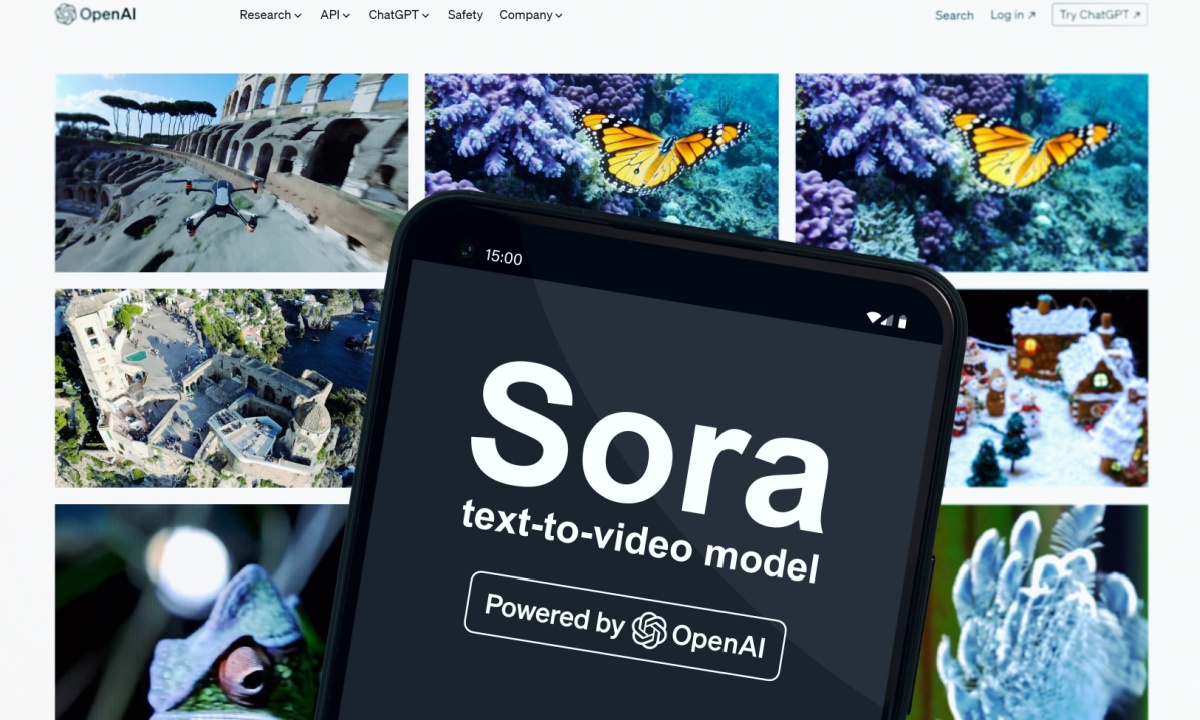



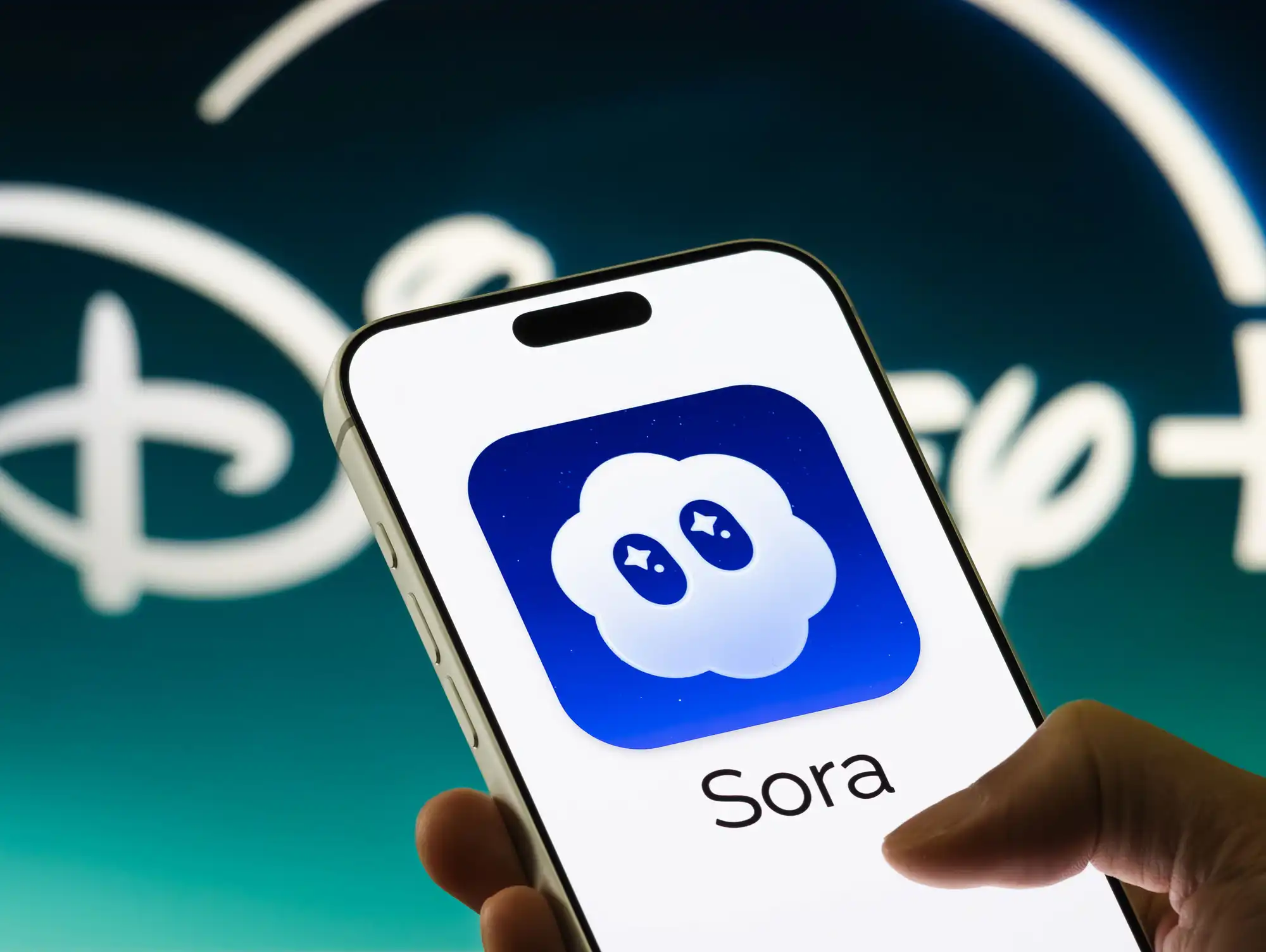
A little over a week ago, Disney became the first major media company to strike a content licensing deal with Sora, OpenAI’s short-form video platform.
This means that people on Sora can start making videos with Disney characters.
“Marketplace Morning Report” host Sabri Ben-Achour spoke with Virginia Doellgast, a professor at Cornell University’s School of Industrial and Labor Relations, about what this means for all your favorite cartoon characters, as well as for the artists and writers behind them. The following is an edited transcript of their conversation.
Sabri Ben-Achour: So, what kinds of things are we going to see as a result of this deal?
Virginia Doellgast: Well, I mean, first of all, Disney is making this $1 billion equity investment in OpenAI — so that’s clearly a benefit to OpenAI, which has had some financial struggles lately. Also, then, they’re licensing hundreds of Disney-owned characters to Sora, which is OpenAI’s short-form generative AI video platform. So, Disney is owning the rights to user-generated videos created over Sora and is able to stream, then, some of these videos on Disney+. But also, as part of the deal, Disney’s going to be a customer of OpenAI, right? So, they’re purchasing ChatGPT Enterprise for the employees.
Ben-Achour: Now, part of this is that Disney can also stream this fan-based content on Disney+. Do people want to see random, fan-generated content from other people?
Doellgast: Do they want this? Well, I can say, from having a son who watches YouTube constantly that there is a large and growing audience for these kinds of short-form clips. And it looks like Disney+ has declining viewership, whereas these platforms like YouTube have increasing numbers of particularly young viewers going there.
Ben-Achour: Yeah. Now, two years ago, when both the Writers Guild of America and SAG-AFTRA were on strike, they wanted guardrails about the use of artificial intelligence in the entertainment industry. Can you remind us briefly what those protections are?
Doellgast: Yes. So, SAG-AFTRA, they won a series of AI protections in their agreement with the studios, which included Disney. One of those is that the studios can’t make digital replicas of a performer’s voice or likeness unless they give advance notice and get written informed consent. And some of those protections seem to have influenced the agreement between Disney and OpenAI. That agreement explicitly does not include the use of image, likeness, or voice of human performers.
Ben-Achour: Now, the unions have not reacted particularly positively to this. The Writers Guild of America called it sanctioned theft of union members’ work. What do you think of that? And is this agreement going to run afoul of some of the protections that currently exist?
Doellgast: Well, I think that gets into bigger questions. If Disney is posing user-generated videos on Disney+, will this mean less original material produced by their own writers, animators, and actors? Is it sort of substituting for something they would have been doing internally and paying their own employees to produce? Will they need fewer employees as a result of that? Will they need less animators because you have user-generated content?