


Not long ago, “learn to code” served as an earnest suggestion for college students as a path towards making a good living.
Now, things have flipped. Computer scientists have flooded the field, leading to high rates of unemployment — and tech companies are turning to one of the most disparaged fields of the humanities to guide their ethics.
Must Read
-
Robert Kiyosaki issues grim warning for baby boomers. Many could be ‘wiped out’ and homeless ‘all over’ the country. How to protect yourself now
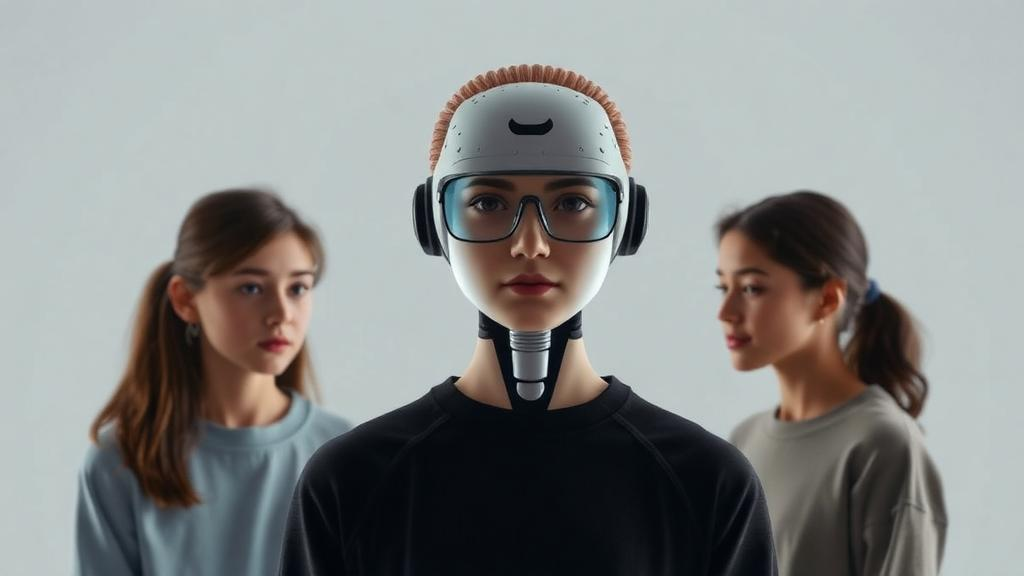
Major AI labs, including Anthropic and Google DeepMind, have hired philosophers to perform in-house roles. And according to Sam Altman, OpenAI consulted “hundreds of moral philosophers” when making rules for how ChatGPT acts.
“It’s probably the best time to be a philosopher since Aristotle was hired as tutor to Alexander the Great,” Henry Ajder, a philosophy postgraduate told Wired. He works as an advisor to AI startups, as well as the UK government.
Here’s how AI companies are using philosophy majors as a core part of their business — and why you probably shouldn’t go out and get a degree in philosophy in response to this trend.
Tech companies are turning to philosophy majors
Philosophy has a reputation as a “useless” degree — something you study for fun, not for a job.
But in today’s market, philosophy majors have lower unemployment rates than computer science majors, according to a February 2026 report from the Federal Reserve Bank of New York. In 2024, philosophy majors had an unemployment rate of 5.1% — still high, but significantly lower than computer science majors, who had a 7% unemployment rate.
And if philosophers like Adjer are to be believed, then AI companies are helping bring the philosophy unemployment rate down once more to 2023 levels when unemployment among the group was at 3.2%.
Philosophers at AI labs do research and, in essence, try to figure out how to give AI models a conscience.
“Perhaps the simplest summary is that we want Claude to be exceptionally helpful while also being honest, thoughtful, and caring about the world,” reads an 84-page work published in January called “Claude’s Constitution,” a “description of Anthropic’s intentions for Claude’s values and behavior.”
“We want Claude to have good values and be a good AI assistant, in the same way that a person can have good personal values while also being extremely good at their job,” it reads.
Claude’s Constitution was written by a team that includes at least two philosophers, Amanda Askell and Joe Carlsmith, along with other Anthropic employees and “several Claude models.”
But philosophers and AI labs don’t always gel.
“There’s a big risk of ethics-washing,” Edward Harcourt, director of Institute for Ethics in AI and professor of philosophy at Oxford told Wired. “It’s quite good for the public perception of the tech companies if people are led to believe they are doing something incredibly unusual and incredibly powerful.”
Essentially, simply hiring philosophers to study ethics makes consumers believe the AI models are more ethical than their counterparts.
Philosophy is also a slow-paced field; AI decidedly isn’t. “The best philosophy tends to happen slowly, and not in direct response to market demands,” said Daniel Fogal, a bioethics professor at NYU.
Fogal also worries that philosophers will feel pressured to work in AI, even if that’s not what they want to do long-term, according to reporting from The Atlantic.
Read More: Millionaires under 43 hold just 25% of their wealth in stocks — here’s where their money is going instead
Trying to follow hiring trends isn’t a good idea for your career
If you’re in or going back to school, following hiring trends is likely to land you in the same spot where computer scientists are now.
Philosophy degrees provide transferable skills that can be applied to any number of jobs, even if you do have to fight the “useless” stigma it holds. But if you’re hoping to get a degree just to join an AI lab, you might find all the job postings closed in the four years it takes to earn it — more if you want a doctorate.
Instead of trying to figure out what the market is doing right now, figure out what degrees fit your skills and life goals. Not only will that help protect you from a fickle market, but you’ll also find whatever career you end up with more sustainable and fulfilling than a market-driven job would be.
What To Read Next
Join 250,000+ readers and get Moneywise’s best stories and exclusive interviews first — clear insights curated and delivered weekly. Subscribe now.
This article provides information only and should not be construed as advice. It is provided without warranty of any kind.