



9 Surprising Ways AI Tools Can Influence Your Social Media Opinions
In the age of digital communication, AI tools have become an integral part of our social media experience. From suggesting grammar improvements to rewriting entire posts, these tools promise to enhance our online presence. However, recent research reveals that AI’s influence might extend beyond simple edits, subtly steering our opinions in unexpected directions.
A study by the Oxford Internet Institute and the Hasso Plattner Institute has highlighted how AI-mediated communication can alter the tone of social media posts, potentially shifting public opinion over time. Let’s explore how AI tools are quietly influencing our digital conversations.
Here are 9 ways that AI tools can impact your social media posts and, consequently, your opinions:
9. Consistent Directional Bias
AI tools can rewrite posts in a way that leans toward a particular stance.
This bias was observed across different AI models, suggesting a systemic tendency rather than a quirk of individual systems. Posts on topics like feminism and gun control were consistently nudged in specific directions, indicating a subtle shaping of discourse.
Photo by Atlantic Ambience
8. Influence Through Volume
While a single AI-edited post may seem insignificant, the cumulative effect can be substantial.
When millions of posts undergo similar AI-driven edits, the collective shift in tone can influence community opinions over time, creating an apparent consensus that might not fully reflect true public sentiment.

Photo by Joshua Hoehne
7. Subtle Shifts in Tone
AI tools can alter the tone of a post even if the content remains unchanged.
For instance, the AI might make a post sound more sympathetic or critical depending on the topic, subtly influencing how the message is perceived by readers.

Photo by www.kaboompics.com
6. Implicit Framing of Debates
AI tools can implicitly frame debates by emphasizing certain aspects over others.
This can lead to a skewed representation of issues, where certain viewpoints are highlighted while others are downplayed, affecting the overall narrative.

Photo by Ofspace LLC, Culture
5. Bias Through Instruction
AI systems can introduce bias based on their underlying instructions.
For example, platform-level instructions or design choices can shape outputs, as seen in the study’s audit of Grok’s ‘Explain this post’ feature.

Photo by Austin Distel
4. The Role of AI in Moderating Content
AI tools are increasingly used to moderate content, influencing what is seen and shared.
This moderation can be biased, affecting which opinions gain traction and which are suppressed, further shaping the discourse.

Photo by Jake Walker
3. Unseen Prompts and Hidden Influences
The instructions guiding AI tools are often hidden from users, making their influence hard to detect.
This lack of transparency means users are unaware of how their opinions might be shaped by unseen prompts embedded in AI systems.

Openverse
2. Challenges in Regulation
Current regulatory frameworks struggle to address the subtle influence of AI on communication.
While laws focus on harmful content, they often overlook how AI’s word choices during editing can quietly shape beliefs, pointing to a gap in existing regulations.
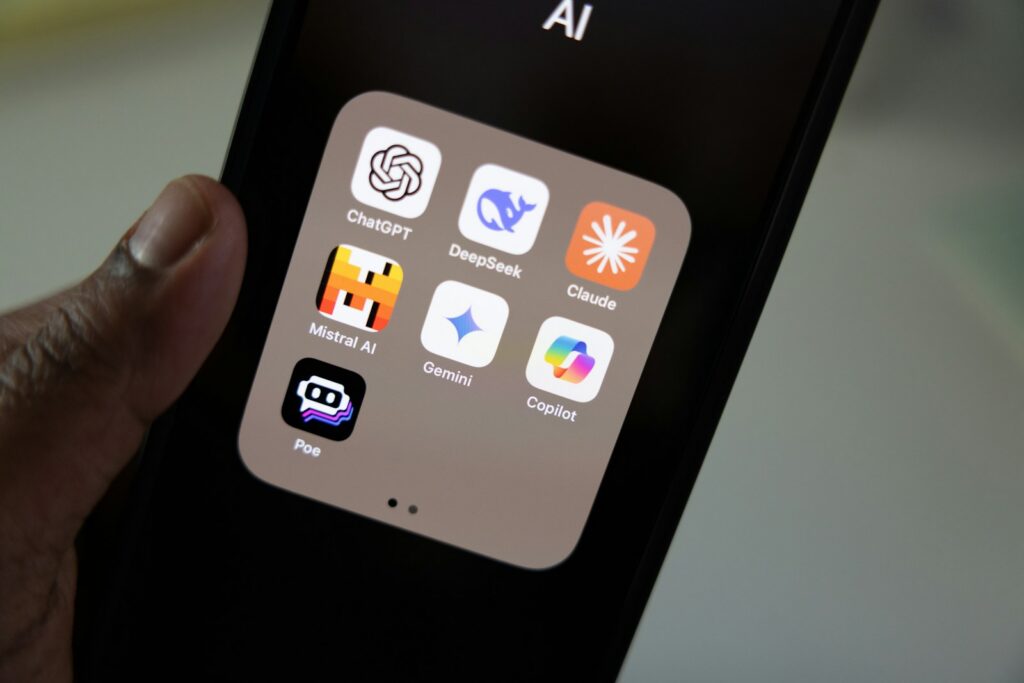
Photo by Solen Feyissa
1. The Future of AI-Mediated Communication
As AI continues to evolve, its role in shaping communication will likely grow.
Understanding and addressing the subtle ways AI influences opinions will be crucial in ensuring balanced and fair discourse in the digital age.
Read More:
Ask us! What questions do you have about content, strategy, pop culture, lifestyle, wellness, history or more? We may use your question in an upcoming article!
Ask us a question
Like MediaFeed’s content? Be sure to follow us.
This article originally appeared onResourcebuzzand was syndicated byMediaFeed.co.