


By MSU Public Relations | Aug 28, 2026
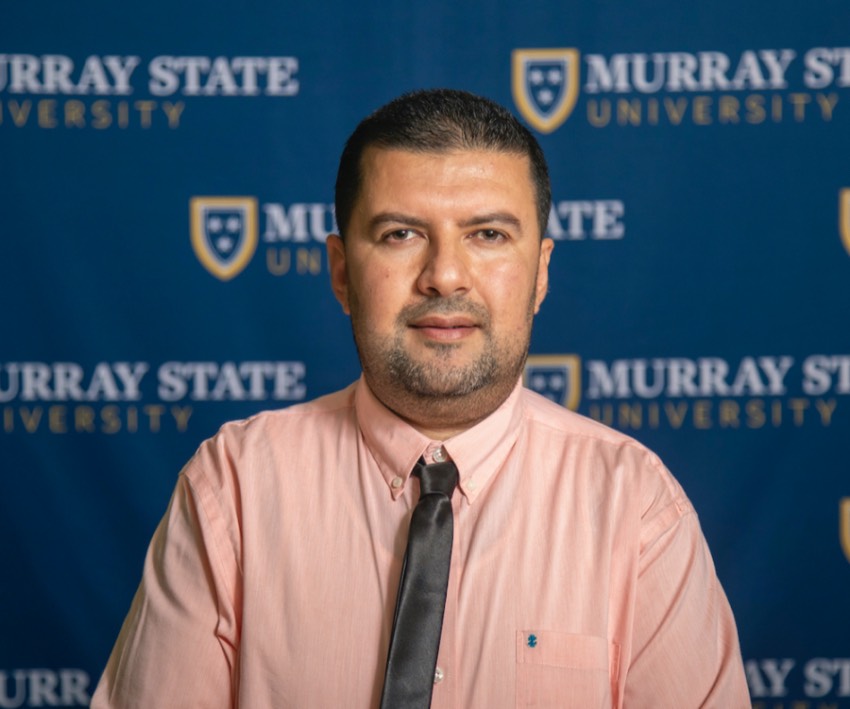
Dr. Hassan Mistareehi, assistant professor of computer science at Murray State University.
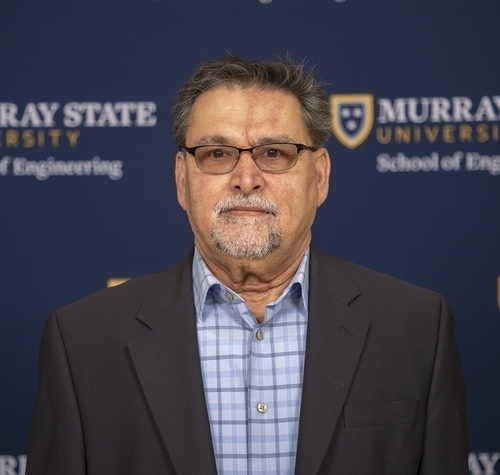
Dr. Abdulrahman Yarali, professor of cybersecurity and network management at Murray
State University.
MURRAY, Ky. — A collaborative research team from Murray State University has had its latest research
paper accepted for publication in AI and Ethics, a leading peer-reviewed journal published
by Springer Nature.
The journal promotes interdisciplinary research on the ethical, social, legal and
policy implications of artificial intelligence while encouraging the responsible design,
deployment and governance of AI technologies that uphold fairness, accountability,
transparency, human rights and sustainability.
The paper, “Hidden in the Feed: AI-Driven Algorithmic Manipulation and Deepfake-Enabled
Harm Among Children and Adolescents,” was authored by Murray State graduate student
Moni Dronavalli; Dr. Hassan Mistareehi, assistant professor of computer science; and
Dr. Abdulrahman Yarali, professor of cybersecurity and network management.
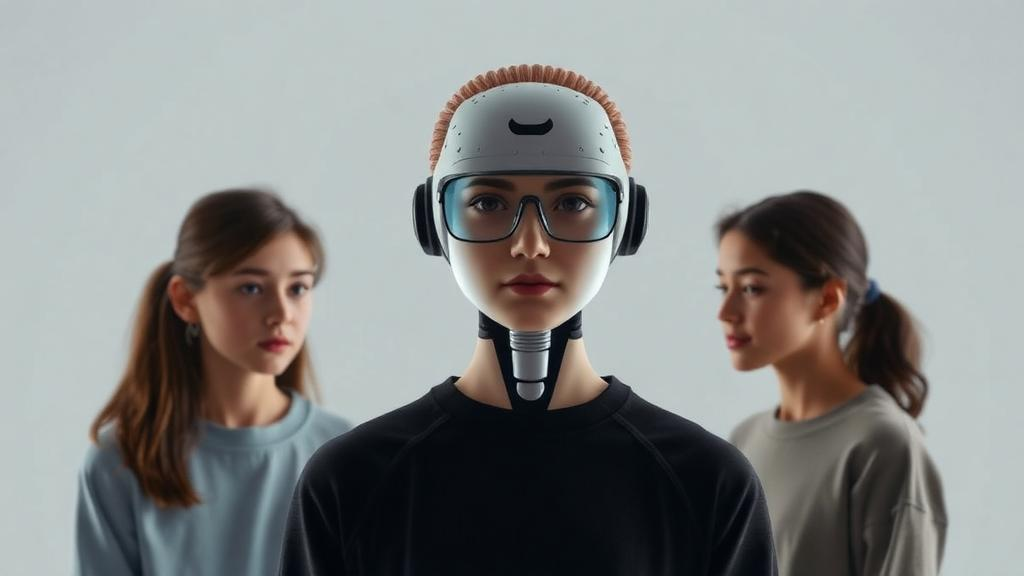
The research examines one of the most urgent challenges created by the rapid adoption
of artificial intelligence: its hidden influence on children and adolescents through
algorithmic manipulation, deepfake technology and extensive data collection.
Artificial intelligence has become deeply integrated into young people’s daily lives,
shaping how they learn, communicate, consume information and interact with the digital
world. While AI offers remarkable opportunities for education, creativity and innovation,
the researchers found that its misuse can expose children and teenagers to significant
risks. The study investigates how AI-powered social media algorithms are designed
to maximize engagement, sometimes contributing to excessive screen time, anxiety,
addiction and exposure to harmful or misleading content. It also explores the growing
misuse of deepfake technology for cyberbullying, digital deception and misinformation,
as well as the ethical concerns surrounding the collection and use of children’s personal
data without meaningful informed consent.
Rather than portraying artificial intelligence as inherently harmful, the research
advocates for responsible AI innovation. The paper recommends strengthening digital
literacy education, establishing ethical standards for AI development, enhancing privacy
protections and encouraging responsible technology practices among developers, educators,
policymakers, parents and technology companies.
“Artificial intelligence is rapidly transforming nearly every aspect of our daily
lives—from education and healthcare to business and entertainment,” said Yarali. “As
AI becomes increasingly embedded in the digital experiences of children and adolescents,
understanding both its tremendous potential and its hidden risks has never been more
important.”
“Our research encourages society to move beyond simply embracing AI technologies and
instead focus on using them responsibly and ethically,” added Dronavalli. “By increasing
awareness of algorithmic manipulation, deepfake-enabled deception and privacy challenges,
we can empower young people, parents, educators and policymakers to make informed
decisions and help ensure that AI serves humanity rather than exploits its vulnerabilities.”
The publication reflects Murray State University’s commitment to addressing emerging
societal challenges through interdisciplinary research in artificial intelligence,
cybersecurity and digital ethics. It also demonstrates the University’s growing leadership
in developing research that supports the responsible and ethical advancement of AI
technologies for the benefit of individuals and society.
This achievement highlights the University’s dedication to fostering meaningful collaborations
between faculty and graduate students while contributing to global discussions on
the ethical development and governance of artificial intelligence.