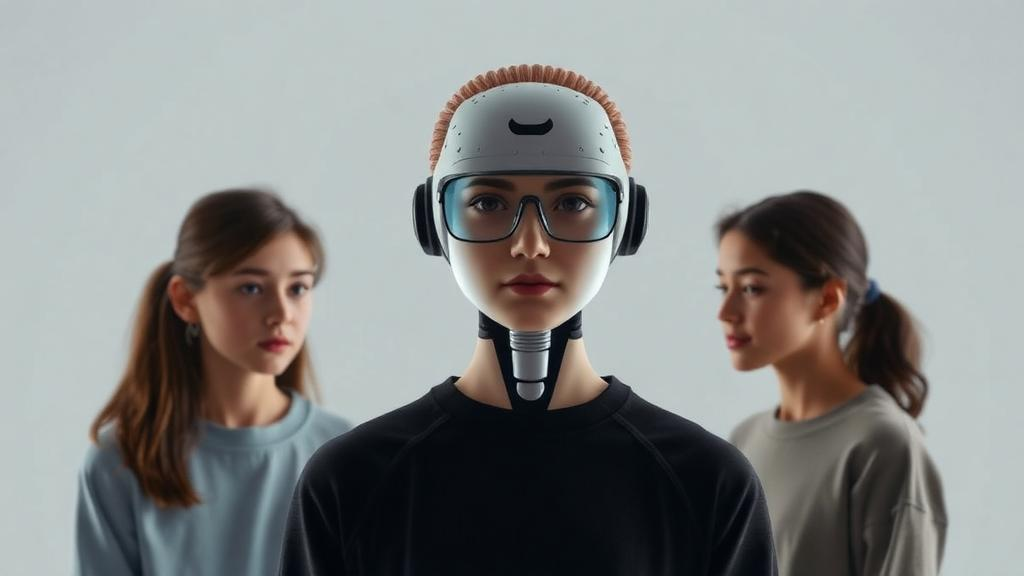



The State University of New York at Stony Brook is going where few, if any, colleges have dared to venture before: It has started a course of study to examine not only the mechanics, but the ethics of artificial intelligence.
Called the Department of Technology, AI and Society, the curriculum will examine the challenges and opportunities at the intersection of AI and social impact. The department was launched by a $5 million SUNY grant over a three-year period.
Dr. Donghee Yvette Wohn has been appointed the inaugural chair of the new department, which is in the College of Engineering and Applied Sciences. She was previously a faculty member at the New Jersey Institute of Technology and held research and teaching assignments in the social media lab at Northwestern University, Michigan State University, and Harvard University.
She holds degrees from Michigan State, Harvard and Ewha Womans University in South Korea. She wrote about science and technology for the International Herald Tribune, now the International New York Times.
Over the summer break, Dr. Wohn was busy preparing for classes. But she took a break to speak to us about the new department and what it signifies for the future.
AI has been around for a while. Why initiate this program now?
A lot of the planning happened before I was appointed to this position. But a day into this vision, I saw that it was innovative of the thinking here and in the state to invest a lot of money into this department. We’re not focusing on the algorithms, but the impact of AI on society and not just on computer professionals.
What will graduates of this program be qualified to do?
They will have a basic understanding of how AI works. But also how it affects society, and from a humanistic lens too. It will make them understand why this kind of policy is needed in the workplace. These graduates will not be specialists in coding. They will learn how AI affects all of society. It will not be just about building robots. We will use robots, but they will learn to bridge the gap between humans and robots
What kind of jobs do you see them in?
It’s hard to know what kind of jobs will be out there in the future. But there will be a need for an AI person on the job, someone to bridge the gap between technology and people. A lot of people use voice technology – “Alexa, do this and do that.” People need to know how to respond to voice technology.
Do we need a college course to teach all this?
What’s the point of being physically on a college campus? There’s value in meeting other people. This is a place where you can develop relations.
New York City Mayor Zohran Mamdani recently said some elementary school students should not have unlimited exposure to AI. Do you agree
It’s a very responsible way of approaching things. It’s just like we can’t have kids watching TV 12 hours a day.
A lot of people have a fear of AI. Should we be afraid?
I think so. AI is like a very sharp knife. In the hands of a cook, knives can help make good food. AI can be used to do amazing things. But it can also be used for bad things. If companies don’t know how to use it, it could go in either direction. We’re going to teach AI ethics. It’s not going to be a matter of can we do something, but should we? Our graduates will be the first to be doing this.
What worries you about AI?
I think being worried is totally natural. It is a good thing. But it should put pressure on our politicians to develop safeguards. Cars came out and we needed regulations. But what really scares me is people feeling they have no say. I see it already. There’s a feeling of helplessness, a feeling that I don’t have control. But we can control what happens in our society. There is a need to make things safe.
There’s been a lot of talk in the last few weeks about the dangers of AI. Dario Amodei, the co-founder of Anthropic, called for slowing development down for safety and to allow humans to maintain control. Others in the industry say AI could destroy the world. Your thoughts?
I believe anything is possible. It’s important to have a department like ours to look at the possibilities.
Should AI development be slowed down?
I don’t know what slowdown means but we should proceed with caution. It’s like food and new drugs. They undergo testing. If they did not, things would be a mess. Whether it’s the federal government or the states or some international coalition, we need to have something in place for control and regulations. At Stony Brook, we’re not going to decide whether something is good or bad, but that it’s important for us to think about these things.