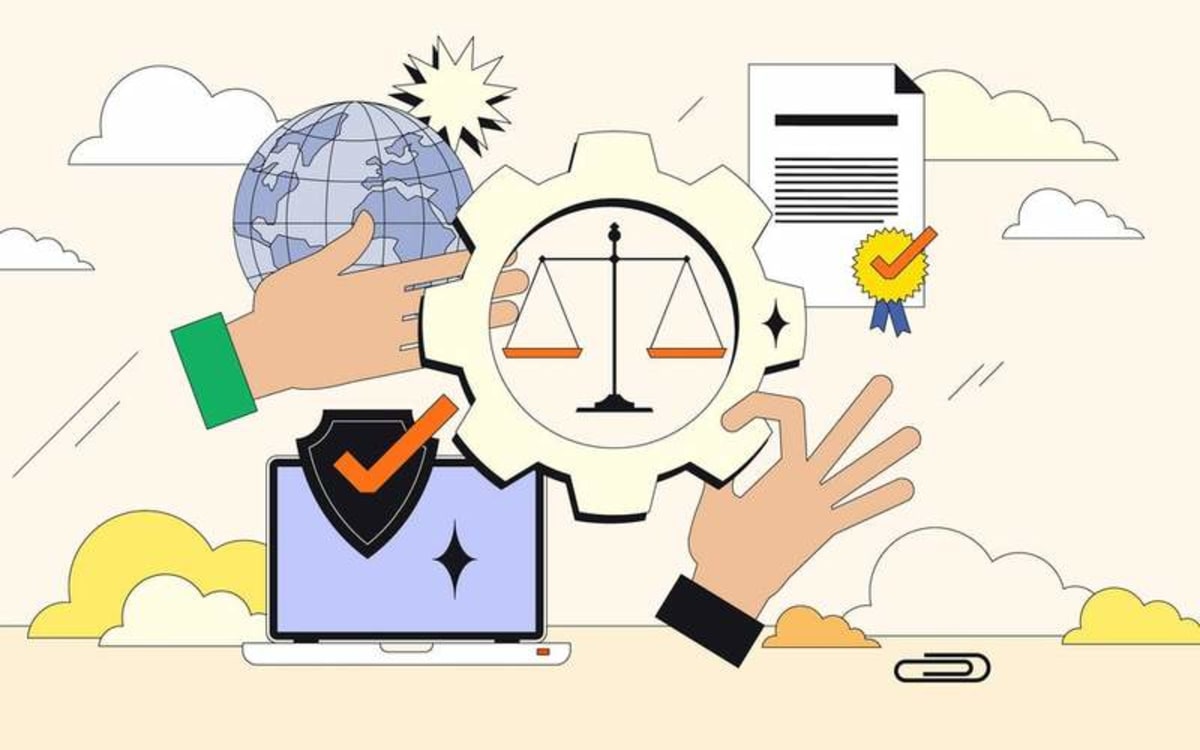




Artificial intelligence is changing how we work, communicate and make decisions. But just because technology can do something doesn’t mean it should. Understanding the ethical questions behind AI is becoming increasingly important across industries and professions.
This minor helps you think critically about the development and use of artificial intelligence. You’ll examine questions about fairness, accountability, human reasoning and the responsibilities of people and organizations that create and use AI systems.
With this minor, you’ll benefit from:
The AI Ethics minor combines philosophy with the study of artificial intelligence, helping you examine how emerging technologies should be developed, used and governed.
Your studies will include:
The minor requires approximately 21 credits. For current requirements, approved courses and academic policies, consult the undergraduate course catalog.
You’ll develop analytical and philosophical skills that help you evaluate AI technologies and their impact on society.
You will learn to:
- Apply ethical principles to questions about artificial intelligence and technology.
- Evaluate issues involving fairness, bias, accountability and responsibility.
- Analyze philosophical questions about intelligence, reasoning and the human mind.
- Examine how AI technologies affect political institutions and social systems.
- Develop clear, evidence-based arguments about responsible technology use.
These skills can help you approach complex challenges with stronger reasoning, ethical awareness and a broader understanding of technology’s role in society.
AI ethics connects to nearly every field where technology influences decisions about people. Adding this minor can help you bring a thoughtful, ethical perspective to your primary area of study.
This minor pairs well with majors in:
- Computer science and engineering: Consider ethical questions involved in designing and developing AI technologies.
- Business and economics: Explore responsible decision-making, accountability and the impact of automated systems.
- Health sciences: Examine fairness, privacy and ethical challenges in technology-supported care.
- Political science and social sciences: Understand how AI affects governance, institutions and communities.
- Humanities and philosophy: Apply philosophical reasoning to questions about technology, intelligence and society.
Whatever your major, the AI Ethics minor can help you evaluate emerging technologies and contribute to more responsible decisions.
Want to understand not just what AI can do, but what it should do? Add the AI Ethics minor to your degree and build the reasoning skills to navigate the ethical challenges of a changing world.