


What if the very technology designed to transform our lives is also the one fueling distrust, frustration, and even hostility? Below, the AI Grid team breaks down how the rapid rise of artificial intelligence is sparking a growing backlash that few are willing to confront head-on. From concerns about job displacement to ethical dilemmas in creative industries, AI’s integration into society has left many feeling alienated and unheard. This isn’t just about skepticism, it’s about a deeper sense that AI is being imposed on us, prioritizing corporate interests over the public good. As the gap between AI’s promise and its perceived impact widens, the question becomes: can this backlash be addressed before it derails the future of innovation?
In this overview, you’ll uncover the key drivers behind this wave of discontent, including the widening economic inequality fueled by automation and the erosion of trust in digital content. But it’s not all doom and gloom, there’s a growing push for responsible AI development that could reshape the narrative. Whether you’re curious about how AI is reshaping industries or concerned about its ethical implications, this guide offers a nuanced look at the crossroads we face. The stakes are high, and the path forward will require bold decisions, transparency, and a commitment to fairness. Will the tech industry rise to the challenge?
AI Backlash and Concerns
TL;DR Key Takeaways :
- AI’s rapid integration into society has sparked backlash due to concerns about job displacement, economic inequality, ethical dilemmas, and misinformation proliferation.
- Public discontent stems from the perception that AI prioritizes corporate profits over societal well-being, with a lack of transparency exacerbating distrust.
- Automation driven by AI is reshaping industries, but inadequate retraining programs for displaced workers are fueling economic inequality and resentment.
- AI’s role in creative fields raises ethical concerns about originality, attribution, and the rise of AI-generated misinformation, calling for clearer guidelines.
- To address growing resistance, experts advocate for responsible AI development, including transparency, ethical frameworks, and investments in education and retraining programs.
Why Public Discontent for AI is Growing
For many, AI represents a technology imposed on society rather than a tool designed to enhance lives. You may have encountered AI systems in your workplace or personal life that seem more focused on corporate efficiency than addressing real-world challenges. Critics argue that these systems often prioritize profits over user needs, creating tools that fail to align with individual values or expectations. This perception has fostered a sense of alienation, with AI increasingly viewed as a symbol of unchecked technological progress that benefits corporations at the expense of ordinary people. The lack of transparency in AI development and deployment has only exacerbated this sentiment, leaving many to question whether AI truly serves the public good.
Job Displacement and Economic Inequality
One of the most pressing concerns surrounding AI is its impact on employment. Automation, powered by AI, is reshaping industries such as transportation, manufacturing, retail, and even software development. If you work in one of these sectors, you may worry about being replaced by machines or algorithms. The absence of robust retraining programs for displaced workers has heightened these fears, leaving many uncertain about their future. While automation can boost productivity and reduce costs, critics argue that its financial rewards often flow disproportionately to corporations and the wealthy, widening the gap between economic classes. This growing inequality has fueled public resentment, with many questioning whether AI-driven progress is truly equitable.
The Growing AI Backlash Nobody Wants to Talk About
Check out more relevant guides from our extensive collection on Artificial Intelligence (AI) that you might find useful.
Challenges in Creativity and Ethics
AI’s expanding role in creative fields has sparked heated debates about originality, ethics, and the value of human creativity. AI-generated art, music, and writing can be remarkably sophisticated, but they also raise significant concerns. If you’re a creator, you might feel that AI undermines human ingenuity by replicating styles and ideas without proper attribution or compensation. This has led to calls for clearer ethical guidelines to govern AI’s use in creative industries. Additionally, the rise of AI-generated misinformation and plagiarism has further eroded trust in digital content. These challenges highlight the urgent need for frameworks that ensure AI supports, rather than undermines, human creativity and ethical standards.
Polarization and Social Division
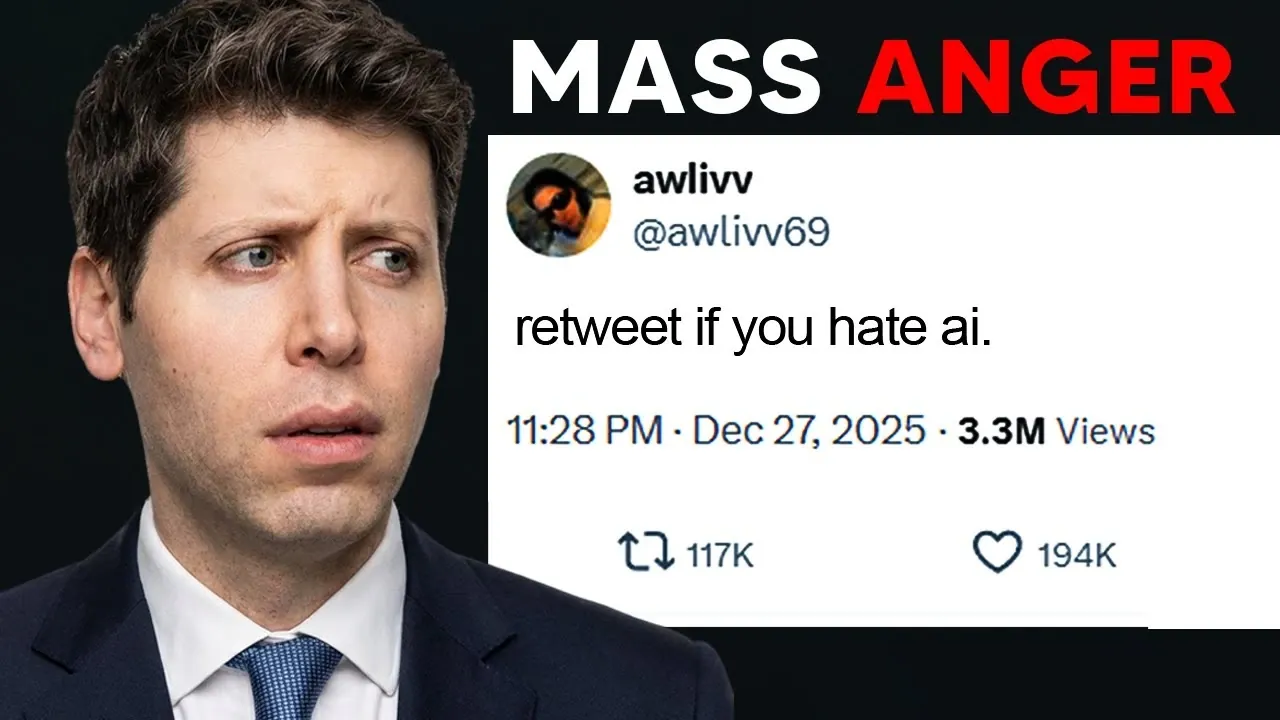
The debate over AI has become increasingly polarized, with advocates and critics often at odds. Proponents emphasize AI’s potential to solve complex problems, improve efficiency, and drive innovation, while detractors focus on its negative impacts on jobs, privacy, and trust. This divide is particularly evident on social media, where discussions about AI frequently devolve into hostility. If you’ve followed these debates online, you’ve likely witnessed extreme reactions, ranging from cautious skepticism to outright rejection of AI technologies. This polarization reflects broader societal tensions about the role of technology in shaping the future and underscores the need for more balanced, informed discussions about AI’s potential and risks.
Political and Cultural Ramifications
AI has become a contentious issue in political and cultural discourse, reflecting broader anxieties about technological change. Many politicians have been reluctant to address AI directly, fearing backlash from constituents who associate it with job losses, rising costs, and economic inequality. Public perception often ties AI to systemic challenges such as the growing wealth gap and the decline of traditional industries. If you feel that AI has contributed to these issues, you are not alone, this sentiment is shared by a significant portion of the population. The cultural impact of AI extends beyond economics, influencing debates about privacy, surveillance, and the ethical boundaries of technological innovation.
The Push for Responsible AI Development
In response to these challenges, there is a growing call for more responsible AI development. Critics argue that tech companies have prioritized speed and innovation over societal well-being, leading to unintended consequences. To rebuild trust, experts recommend greater transparency in AI development, clearer ethical guidelines, and better communication about its potential benefits. If you’re skeptical about AI, these measures could help demonstrate how the technology can serve individuals rather than just corporations. Efforts to address public concerns must also include investments in education and retraining programs to ensure that workers can adapt to the changing job landscape.
What Lies Ahead for AI?
The future of AI will depend on how its developers, policymakers, and advocates address the growing public backlash. Without significant changes, societal and political resistance to AI is likely to intensify, potentially stalling its progress. However, there is still an opportunity to reshape the narrative. By focusing on tangible benefits for individuals, addressing ethical concerns, and fostering greater transparency, the tech industry can begin to bridge the gap between AI’s potential and public perception.
- Will AI developers commit to transparency and ethical considerations?
- Can retraining programs effectively mitigate the impact of job displacement?
- How can AI be used to benefit society without exacerbating existing inequalities?
The answers to these questions will not only shape the trajectory of AI but also determine its role in society. The challenge is clear: AI must be developed and deployed in ways that prioritize fairness, inclusivity, and the well-being of all.
Media Credit: TheAIGRID
Filed Under: AI, Technology News, Top News
Latest Geeky Gadgets Deals
If you buy something through one of these links, Geeky Gadgets may earn an affiliate commission. Learn about our Disclosure Policy.
Originally Appeared Here