


Artificial intelligence is no longer a distant concept shaping the future—it is already transforming the present. From customer service chatbots and automated data analysis to software development and content creation, AI systems are increasingly taking on tasks once performed exclusively by humans. Now, one of the field’s most respected voices is offering a stark warning about what lies ahead.
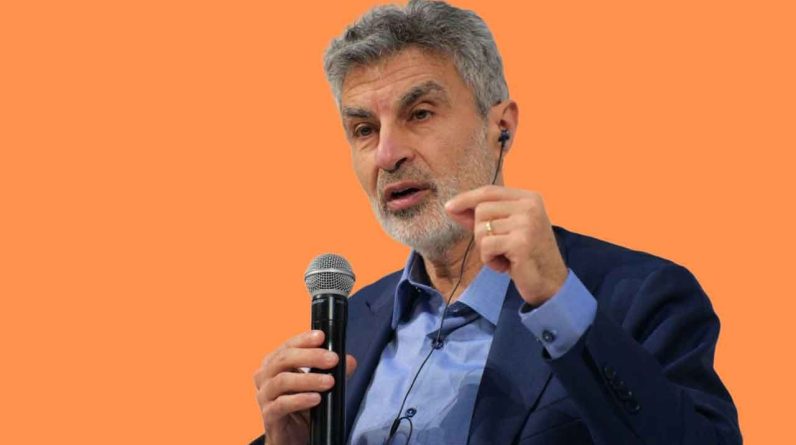
Yoshua Bengio, widely regarded as one of the “godfathers of AI,” says it is only a matter of time before artificial intelligence is capable of replacing every kind of job humans do today. Speaking on The Diary of a CEO podcast, Bengio reflected on how rapidly automation is advancing and why society may be underestimating its long-term consequences.
According to recent estimates, tens of thousands of jobs—particularly in the United States—have already been lost due to AI-driven automation. While these numbers have not yet translated into mass unemployment, Bengio believes this is merely the beginning. He argues that jobs most exposed to disruption are those heavily dependent on computers and digital workflows.
“These are cognitive jobs, the jobs that you can do behind a keyboard,” Bengio explained, pointing out that AI systems are becoming increasingly effective at replicating and outperforming human capabilities in such roles. From entry-level office work to more advanced professional tasks, automation is quietly reshaping hiring practices. Companies are slowing recruitment, trimming junior positions, and integrating AI tools behind the scenes rather than announcing sweeping layoffs.
Bengio stresses that the pace of change may appear gradual, but the direction is unmistakable. “It’s more a matter of time than if. Unless we hit a scientific wall that prevents us from making AI smarter and smarter, these systems will be able to do more and more of the work that people do today,” he said.
There is often an assumption that skilled trades—such as plumbing, electrical work, or mechanical repair—will remain safe from automation. Bengio, however, is unconvinced. While he acknowledges that physical jobs may take longer to automate, he sees robotics as an inevitable force that will eventually close the gap.
“If you do a physical job, it’s going to take more time,” he said, echoing views shared by fellow AI pioneer Geoffrey Hinton. “But I think it’s only a temporary thing.” Bengio believes that as robots are deployed more widely, the massive volumes of data they collect will accelerate their learning, enabling them to handle increasingly complex physical tasks.
Perhaps most striking is Bengio’s personal reflection on his role in shaping modern AI. Despite decades of groundbreaking research, he admits he did not fully anticipate the scale of disruption the technology could bring. “I should have seen this coming much earlier, but I didn’t pay much attention to the potentially catastrophic risks,” he said, noting that his concerns intensified with the emergence of generative AI systems like ChatGPT.
Bengio’s message is not one of panic, but of preparation. As AI continues to evolve, he believes governments, businesses, and societies must confront hard questions about employment, economic security, and how humans redefine their value in an increasingly automated world.