


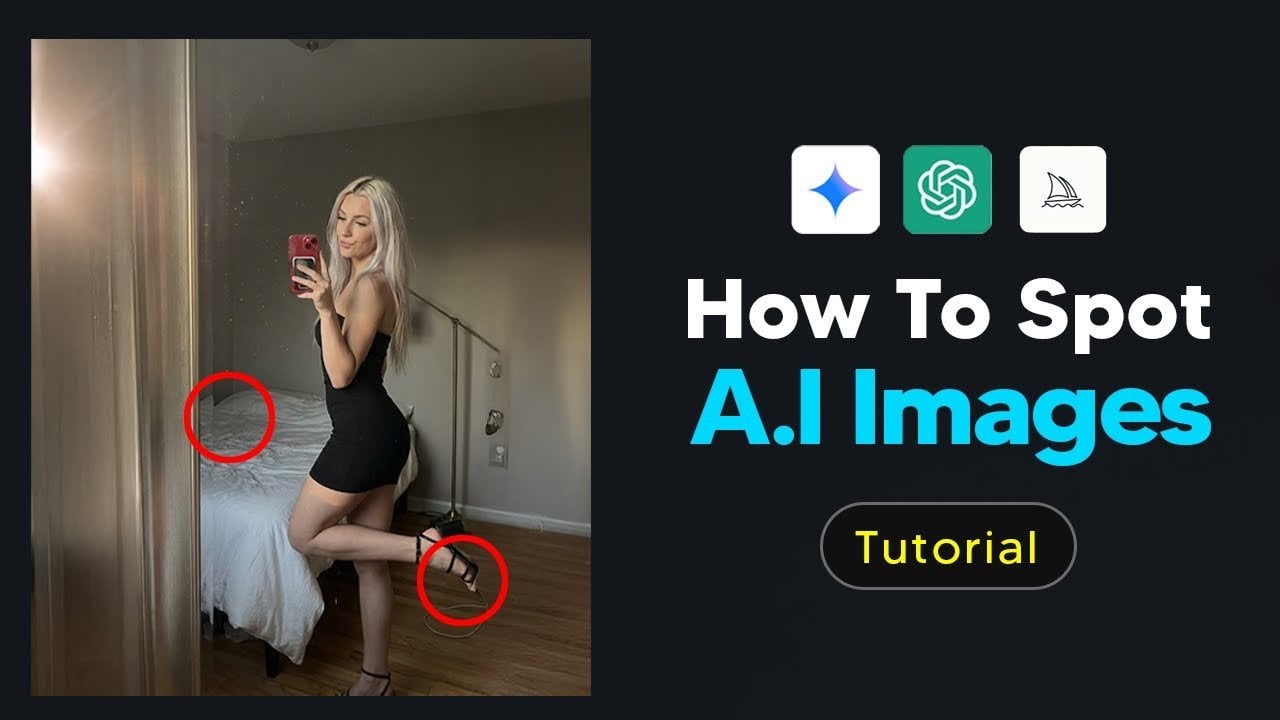
Can you trust everything you see online? As AI-generated images grow more advanced, distinguishing between authentic visuals and artificial creations has become increasingly challenging. From stunningly realistic portraits to intricate landscapes, these images are designed to fool even the most discerning viewers. TheAIGRID takes a closer look at how you can confidently identify AI-generated visuals in today’s digital age. Whether you’re a journalist verifying content, a marketer safeguarding your brand, or simply someone navigating the internet, this how-to guide will help you stay informed and alert in a world where authenticity is more critical than ever.
This guide provide more insights into effective methods for spotting AI-generated images, from analyzing Google Synth ID’s invisible watermarks to using practical techniques like reverse image searches and metadata checks. You’ll also learn to identify subtle inconsistencies that reveal an AI’s handiwork, empowering you to approach every image with a critical eye. By combining these strategies, you’ll be better equipped to navigate the blurred lines between reality and fabrication. In a time when digital literacy is essential, this guide offers the insights you need to stay ahead.
AI Image Detection Guide
TL;DR Key Takeaways :
- Google Synth ID uses invisible watermarking technology to detect AI-generated images with high accuracy, even after modifications like cropping or compression.
- Content Credentials relies on metadata tracking to verify image authenticity but may face challenges with altered or stripped metadata in edited files.
- Hive AI provides an advanced image analysis API that assigns confidence scores for detecting AI-generated content, though it may struggle with low-resolution or cropped images.
- Reverse image search is a simple method to trace image origins, serving as a useful starting point for identifying AI-generated visuals when combined with other tools.
- Manual inspection techniques, such as examining blurred text, skin texture, and image composition, remain essential for spotting flaws in AI-generated images, complementing automated tools.
Google Synth ID: Invisible Watermarking Technology
Google Synth ID, developed by Google DeepMind, represents a innovative solution for identifying AI-generated images. This technology embeds invisible watermarks into AI-generated visuals, making sure they remain detectable even after modifications like cropping, resizing, or compression. Accessible through Google Gemini, Synth ID allows users to verify image authenticity with ease.
The tool is particularly valuable because it offers a high degree of accuracy in detecting AI-generated content. Its accessibility and free availability make it a practical option for individuals and organizations alike. By scanning for these invisible watermarks, you can quickly determine whether an image has been created by AI, providing a reliable method for maintaining trust in digital content.
Content Credentials: Metadata as a Digital Fingerprint
Content Credentials is another powerful tool that uses metadata tracking to verify image authenticity. Metadata embedded in images contains critical information, such as the creation date, issuing platform, and whether the image was generated by AI. For instance, metadata might indicate that an image originated from platforms like Google LLC or OpenAI.
However, this method is not without its challenges. Metadata can be stripped or altered, particularly in screenshots or heavily edited files. While Content Credentials is highly effective for downloaded images, it may not always provide reliable results for manipulated or reprocessed content. Despite these limitations, it remains a valuable tool for identifying the origins of digital images.
How To Easily Identify AI Images in 2026
Here are more detailed guides and articles that you may find helpful on AI images.
Hive AI: Advanced Image Analysis API
Hive AI offers an advanced image analysis API designed to detect AI-generated content. By analyzing images and assigning confidence scores, Hive AI provides insights into the likelihood of AI involvement. This tool excels in scenarios where other methods may falter, such as detecting subtle AI-generated elements in complex visuals.
That said, Hive AI has its own set of limitations. It may struggle with cropped or low-resolution images, and its accuracy can vary depending on the quality of the input. Despite these challenges, Hive AI remains a robust resource for identifying AI-generated visuals, particularly when used in conjunction with other detection methods.
Reverse Image Search: Tracing Image Origins
Reverse image search is a straightforward and widely accessible method for verifying the origin of publicly available images. By uploading an image to a search engine, you can check for matches across the web. If no results appear, it could suggest that the image is AI-generated or newly created.
While this method is not foolproof, it serves as a useful starting point for image verification. Reverse image search works best when combined with other tools and techniques, providing a more comprehensive approach to identifying AI-generated content.
Manual Inspection Techniques: A Trained Eye
While automated tools are invaluable, manual inspection remains an essential skill for identifying AI-generated images. By closely examining specific details, you can spot common flaws associated with AI-generated visuals. Key areas to focus on include:
- Blurred Text or Objects: AI systems often struggle to render text or objects clearly, especially when viewed up close.
- Skin Texture: AI-generated images frequently feature unnaturally smooth or flawless skin, lacking realistic imperfections.
- Image Composition: Look for anomalies such as missing fingers, distorted objects, or inconsistent lighting, which are common in AI-generated visuals.
These techniques require a trained eye and familiarity with the typical shortcomings of AI-generated imagery. While manual inspection may not be as precise as automated tools, it can provide valuable insights when used alongside other methods.
Challenges and Limitations of Detection Methods
No single method is entirely reliable for identifying AI-generated images. Tools like Content Credentials, which rely on metadata, may fail when dealing with screenshots or heavily edited files. Similarly, manual inspection requires expertise and may not always yield definitive results. Automated tools like Hive AI, while advanced, can produce false positives or struggle with altered images.
To address these challenges, it is essential to use multiple methods in tandem. Combining automated tools with manual inspection techniques increases the likelihood of accurately identifying AI-generated content. This multifaceted approach ensures a higher degree of reliability in distinguishing between authentic and AI-generated visuals.
Staying Ahead in the Digital Landscape
In 2026, identifying AI-generated images requires a combination of advanced tools and manual techniques. Solutions like Google Synth ID, Content Credentials, Hive AI, and reverse image search provide valuable insights, while manual inspection adds an extra layer of scrutiny. Each method has its strengths and weaknesses, making it crucial to adopt a comprehensive approach for the most reliable results.
As AI technology continues to evolve, staying informed about the latest detection tools and techniques is vital. By using these resources effectively, you can navigate the digital landscape with greater confidence, making sure trust and transparency in the content you encounter.
Media Credit: TheAIGRID
Filed Under: AI, Technology News, Top News
Latest Geeky Gadgets Deals
If you buy something through one of these links, Geeky Gadgets may earn an affiliate commission. Learn about our Disclosure Policy.
Originally Appeared Here