


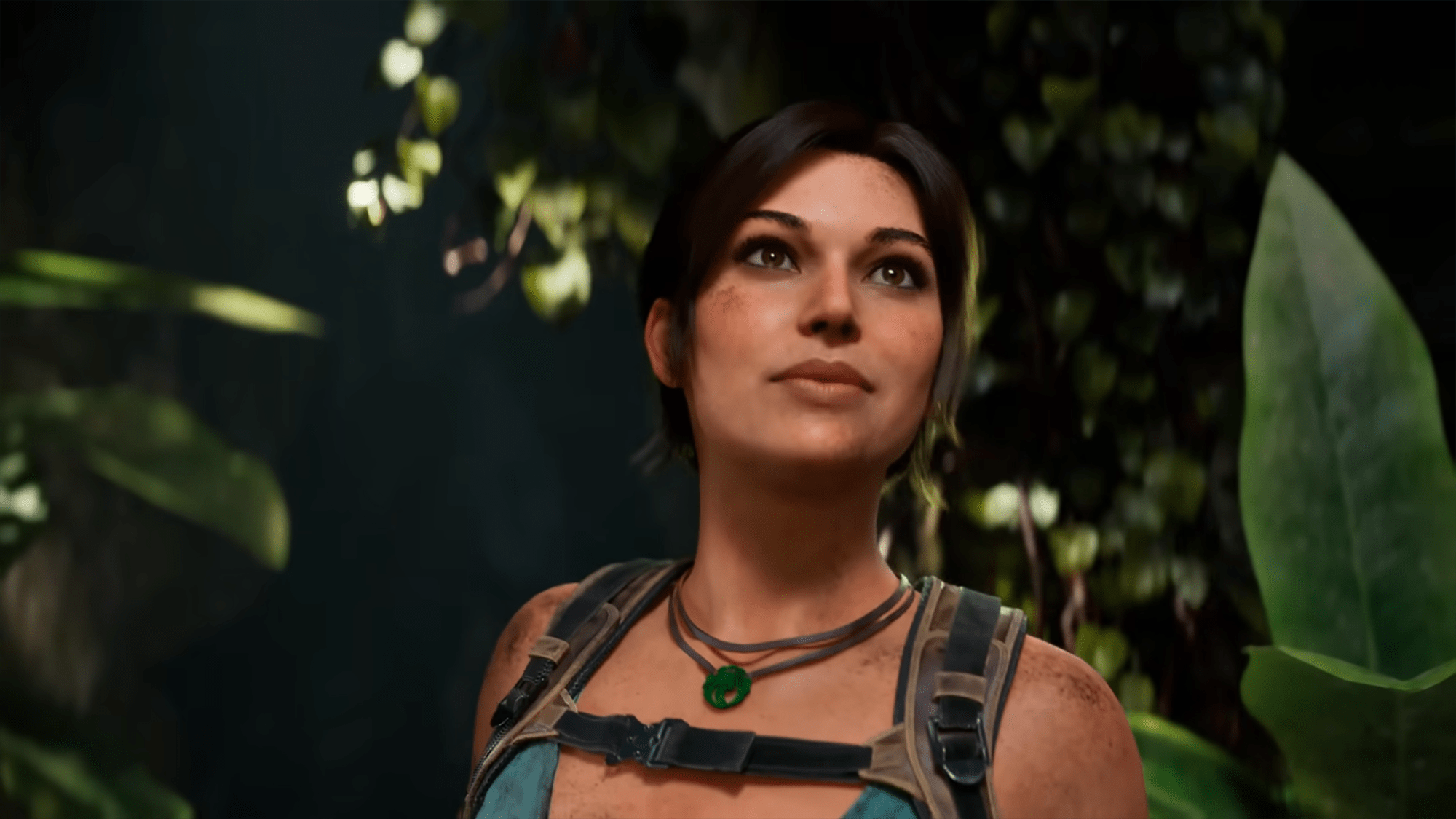
Crystal Dynamics’ upcoming Tomb Raider: Legacy of Atlantis has excited fans, but recent developments have turned this excitement to frustration and anger. Following the release of the latest trailer, players discovered an AI disclosure on the official Steam page, confirming that AI tools were used during development. While this did not provide the exact content that was created with AI, Crystal Dynamic released an official statement describing how AI was used in Tomb Raider: Legacy of Atlantis’ development, reassuring fans that all final content was created or refined by human developers.
AI Usage in Tomb Raider: Legacy of Atlantis
The discussion began after players noticed an AI Generated Content Disclosure on the Steam page for Tomb Raider: Legacy of Atlantis. The disclosure states: AI-assisted tools were used during development to support some early exploration and temporary development content. Crystal Dynamics also addressed the matter directly, explaining how the technology was used during production.
“At Crystal Dynamics, we leverage AI tools to help our teams iterate on ideas faster and more efficiently, while ensuring that all finished content in the final product is human-crafted. Our goal is to empower the creativity and flexibility of our developers to deliver the highest-quality experiences for players everywhere.”
The statement emphasizes that AI was only used to assist early-stage development and temporary content creation, but the damage may have already been done. Some fans are already taking to social media, canceling plans to purchase and play the game. These players are vocal in their dislike of AI in game development, and are calling for others to vote with their wallets. Many argue that concept exploration and pre-production are among the most creatively important stages of game development, making AI involvement a major concern even if these assets are replaced by human talent.
This reflects the wider conversation about AI, particularly its place in the video game industry. AI disclosures have become increasingly common on digital storefronts as developers and publishers seek transparency regarding the use of generative AI tools. Development costs for video games continue to rise, and the length before release has also stretched. Many studios believe time and money can be saved by using AI tools.
Despite the controversy, many are still excited for Tomb Raider: Legacy of Atlantis, releasing on February 12th, and some are not even aware of the ongoing AI debate. The reimagining of the original 1996 Tomb Raider looks incredible thanks to the Unreal Engine 5, and will modernize the classic adventure while preserving its iconic exploration, puzzle-solving, and action elements. It will be the perfect game leading up to Lara Croft’s newest adventure, Tomb Raider: Catalyst.
AI is only becoming more prevalent in game development, and fans will have to accept this fact regardless of their stance. Players can absolutely show their dislike of this practice by refusing to purchase these games or broadcasting the issue on social media, and this has worked to some degree. But some studios will continue to use AI, with some even leaving this content in the final product. Others still do not disclose this fact at all, and with AI becoming better, it can be difficult to determine what is human-made. Only time will tell how AI’s influence on game development will continue.
How do you feel about this? Leave a comment below and join the conversation now in the ComicBook Forum!