


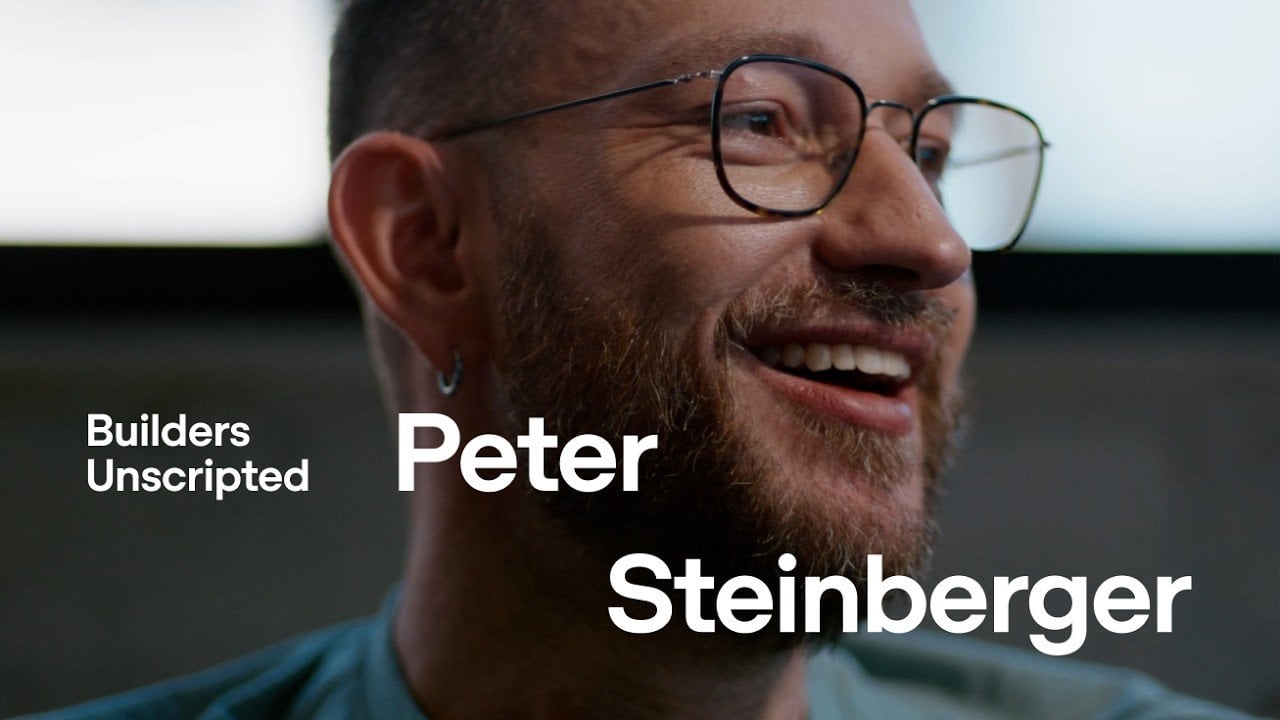
Peter Steinberger, the creator of OpenClaw, discusses how the project evolved from a small experiment into a widely adopted open source initiative. OpenClaw is structured around prompt-based workflows, allowing artificial intelligence to assist developers in generating and refining code. Steinberger highlights how this method allows teams to prioritize high-level design decisions while addressing intricate software challenges collaboratively.
Learn how Steinberger approaches security, scalability and accessibility when managing an open source platform. The interview also explores the practical applications of prompt engineering in development and its influence on team collaboration. Additionally, Steinberger provides insights into building a global developer community and the realities of sustaining an open source project.
Peter Steinberger’s OpenClaw Journey
TL;DR Key Takeaways :
- OpenClaw, created by Peter Steinberger, evolved from a personal experiment into a globally recognized open source project, using AI tools like Codex to streamline development and foster innovation.
- The project emphasizes the synergy between human creativity and AI-driven productivity, using prompt-based workflows to enhance efficiency and focus on high-level design.
- OpenClaw has built a vibrant global community through its open source nature, supported by events like ClawCon and structured contribution guidelines to ensure security, scalability and alignment with project goals.
- AI plays a fantastic role in modern development, shifting focus from manual coding to prompt engineering, allowing developers to solve complex problems and explore creative solutions more effectively.
- Steinberger envisions OpenClaw as a user-friendly, customizable platform that provide widespread access tos software development, encouraging playful experimentation and fostering inclusivity within the developer community.
The Origins of OpenClaw
OpenClaw originated as a small-scale experiment driven by Steinberger’s curiosity about the intersection of artificial intelligence and open source software. Using AI tools like Codex, he transitioned swiftly from conceptualization to implementation, using these technologies to accelerate prototyping and iteration. What began as a personal endeavor quickly evolved into a collaborative global project, with developers from around the world contributing to its growth.
The foundation of OpenClaw lies in its adaptability and innovative approach to development. By integrating prompt-based workflows, Steinberger enabled AI systems to generate, test and refine code efficiently. This methodology not only streamlined the development process but also allowed him to focus on higher-level design decisions. OpenClaw stands as a testament to the synergy between human creativity and AI-driven productivity, showcasing how these elements can work together to achieve remarkable results.
Building a Global Community
The open source nature of OpenClaw has fostered the growth of a vibrant and diverse global community. Developers from various backgrounds have embraced the project, contributing ideas, code and feedback that have propelled its evolution. Events such as ClawCon, an annual gathering of OpenClaw enthusiasts, highlight the project’s expanding influence and the enthusiasm it has generated within the developer ecosystem.
However, managing a global open source initiative is not without its challenges. Steinberger emphasizes the importance of balancing accessibility, security and scalability. To address these concerns, the project has implemented robust sandboxing techniques, making sure a secure environment while accommodating a wide range of use cases. Additionally, clear and structured contribution guidelines have been established to align community efforts with the project’s overarching goals, making sure that contributions remain focused and cohesive.
Unlock more potential in OpenClaw by reading previous articles we have written.
AI’s Role in Shaping Modern Development
Steinberger highlights the fantastic potential of artificial intelligence in reshaping software development workflows. By shifting the focus from manual coding to guiding AI systems through carefully crafted prompts, developers can achieve unparalleled efficiency. Tools like Codex empower developers to tackle complex problems more effectively, freeing up time for creative exploration and strategic problem-solving.
This shift in development paradigms requires a new set of skills. Developers must now master prompt engineering and understand AI workflows to fully harness the capabilities of these tools. Steinberger believes that embracing these technologies can unlock unprecedented levels of creativity and innovation, allowing developers to address challenges that were previously considered insurmountable.
Overcoming Challenges and Lessons Learned
The journey of building OpenClaw has been marked by numerous challenges, each offering valuable lessons. Security has been a primary concern, particularly in an open source environment where contributions come from a diverse array of sources. To mitigate risks and maintain the platform’s integrity, sandboxing techniques have been instrumental.
Another significant challenge has been managing community contributions. While the open source model thrives on collaboration, it requires strong leadership to maintain focus and coherence. Steinberger has worked to strike a balance between encouraging experimentation and making sure that contributions align with the project’s vision and objectives.
Adapting to the evolving needs of users and developers has also been a continuous learning process. As OpenClaw has grown, so too have demands for scalability, accessibility and user-friendliness. Steinberger has prioritized making the platform approachable for newcomers while making sure it remains customizable for advanced users, creating a tool that caters to a broad spectrum of needs.
The Future of OpenClaw and AI
Looking ahead, Steinberger envisions OpenClaw as a platform that is both user-friendly and highly customizable, designed to empower developers at all levels of expertise. He advocates for a culture of playful experimentation, encouraging developers to explore the full potential of AI tools and push the boundaries of what is possible in software development.
Steinberger also sees artificial intelligence as a providing widespread access to force within the industry. By lowering barriers to entry, AI tools enable individuals from diverse backgrounds to contribute meaningfully to development projects. This widespread access has the potential to foster innovation and create a more inclusive and collaborative developer community.
Advice for Developers
For developers navigating the rapidly evolving landscape of software engineering, Steinberger offers practical and actionable advice. He encourages embracing AI tools and adopting an exploratory mindset, focusing on solving problems that genuinely spark your interest. By using AI, you can amplify your creativity and productivity, allowing you to achieve more in less time.
Recognizing the shift in development paradigms is equally critical. As AI continues to reshape the industry, adapting your workflows to incorporate prompt-based approaches will be essential. Staying curious, open to experimentation and willing to learn new skills will position you to thrive in this era of technological transformation.
Peter Steinberger’s journey with OpenClaw exemplifies the immense potential of AI tools and the power of community-driven development. By embracing innovation, collaboration and adaptability, developers can unlock new possibilities and contribute to shaping the future of software engineering. OpenClaw serves as a compelling example of how technology and teamwork can come together to create something truly impactful.
Media Credit: OpenAI
Filed Under: AI, Top News
If you buy something through one of these links, Geeky Gadgets may earn an affiliate commission. Learn about our Disclosure Policy.