


1. VRChat releases an unusually long statement on AI usage
Between October 6 and 7, 2026, VRChat published its current stance on AI usage within the platform. This follows growing opposition and debate within the community regarding the use of generative AI in world creation and thumbnails. VRChat has not concluded that AI should be banned entirely. While they have indicated that auxiliary AI use—such as translation, grammar checking, coding assistance, personal tool creation, and smart tools for Unity or Blender—is acceptable, they continue to deliberate on issues like AI-generated assets and the generation of entire worlds.
2. The first thing to be regulated was not ‘AI itself’
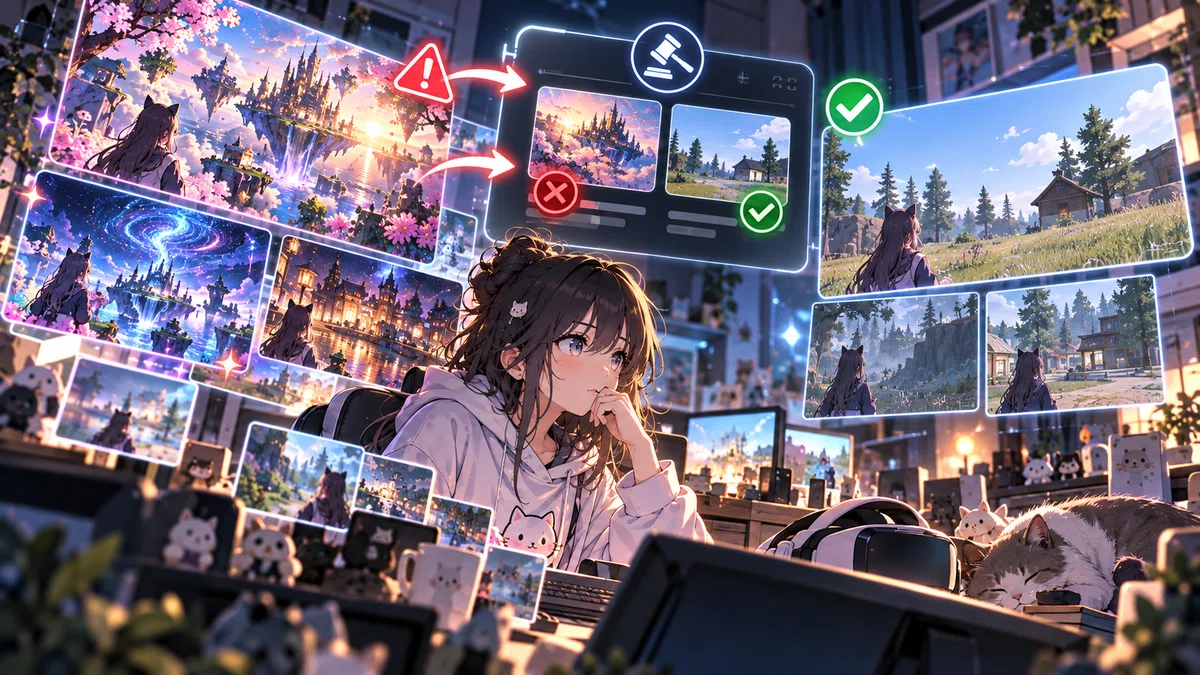
What was changed immediately this time was not AI-generated content in general, but the rules for thumbnails. VRChat has banned AI-generated thumbnails that differ from the actual content of the world. However, it is important to note that this rule does not target only AI. Even without using AI, acts of misleading users with thumbnails that are far removed from the actual experience are also subject to this rule.
This is a quite interesting approach, as the criterion is not ‘whether AI was used,’ but ‘whether the user is being deceived.’
3. The real problem is not the increase in AI works, but ‘good works being buried’
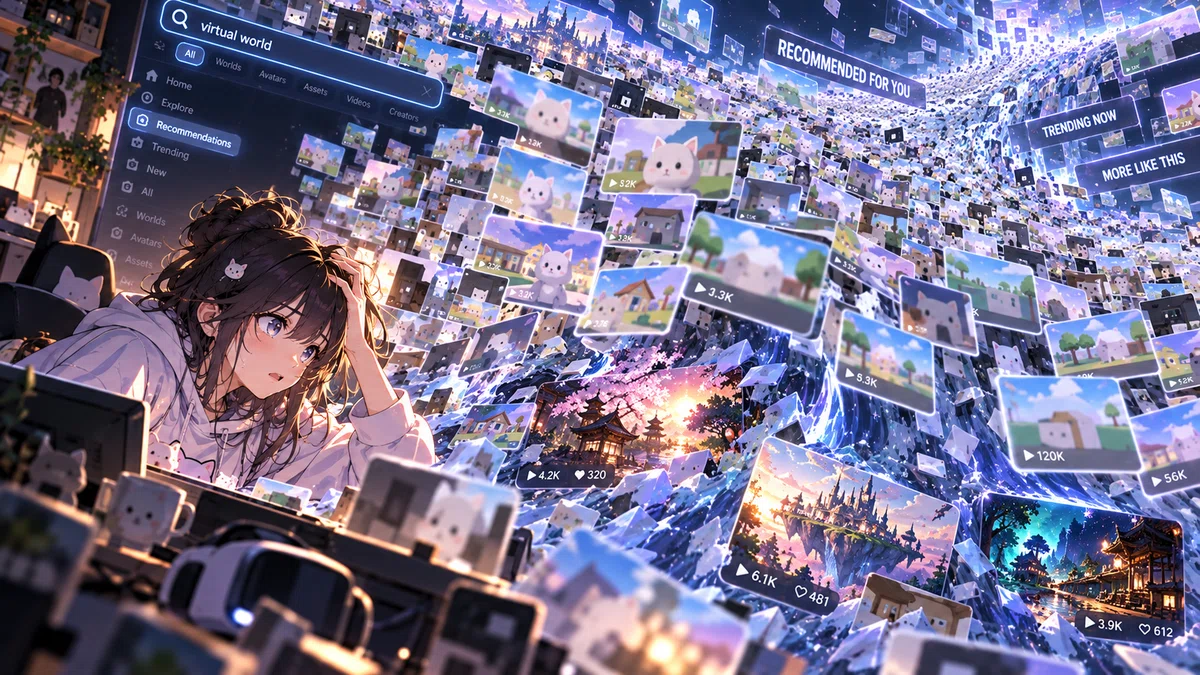
VRChat explains in significant detail the issue of content discovery. Using AI allows for the creation of a large number of worlds and assets in less time than before. However, if the number of submissions surges, worlds that took months or years to create will be buried under a mass of content. VRChat itself recognizes this problem and has indicated a policy of experimenting with ways to make it easier for users to find high-quality worlds they value, while lowering the display ranking of mass-produced content. The so-called ‘AI Slop’ issue is beginning to become not just a problem of the quality of the works themselves, but also a problem of search and recommendation algorithms.
4. Labeling ‘AI usage’ is not a solution either
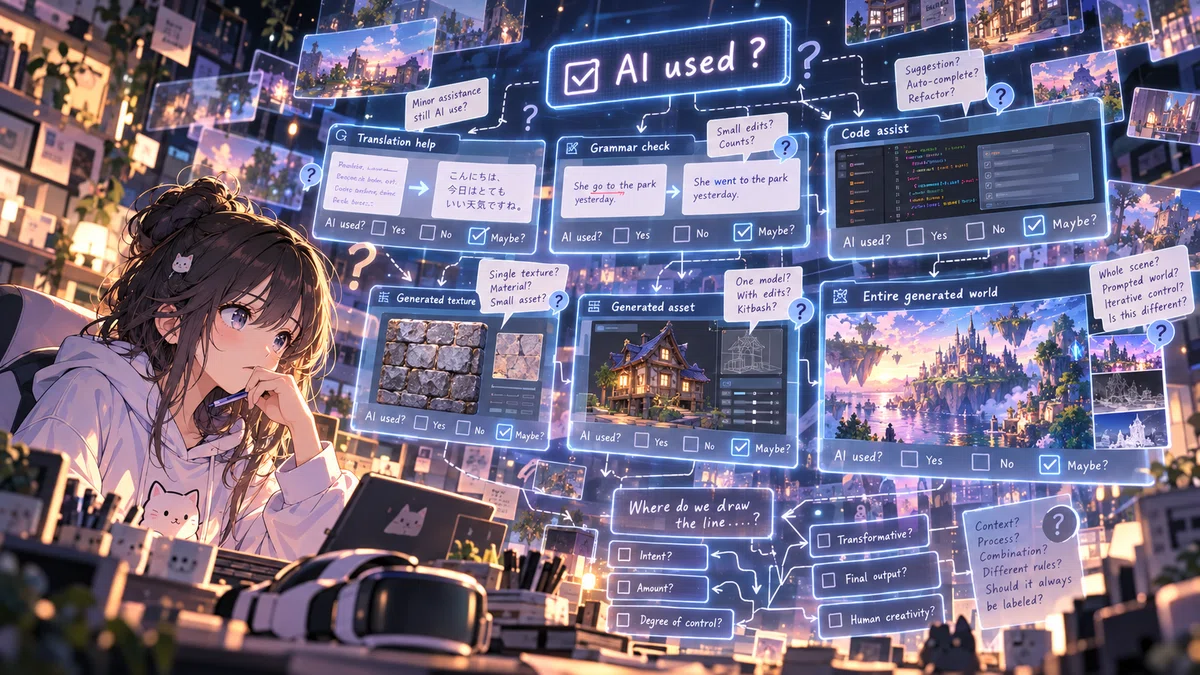
As for whether works using AI should be labeled as ‘AI-used,’ VRChat is struggling with that as well. What happens if AI is used only for text translation? What if it is only for a part of the code? What if only one texture was generated? Should it be treated as the same type of AI work as one where the entire world was generated? Furthermore, a method to verify whether the creator has correctly declared AI usage would also be necessary. For this reason, while VRChat is considering AI tags as an option, they have not decided to introduce them at this time.
5. My perspective
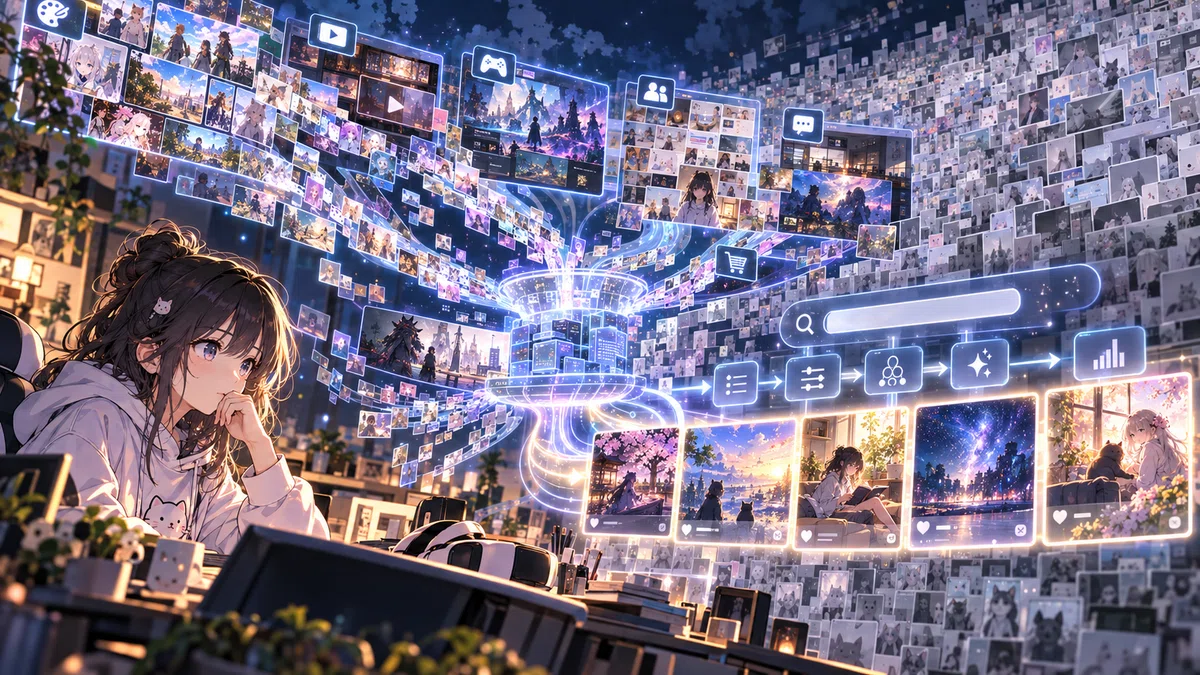
I do not think this is a problem unique to VRChat. The same issue could potentially occur on almost any site where users post works, such as image hosting sites, video sites, game stores, social media, and illustration sites. If the cost of generation drops drastically, the amount of content one person can create in a day will increase by orders of magnitude. As a result, works that humans spent time creating and works generated in large quantities by AI in a short time will end up competing for the same recommendation feeds and search results.
Therefore, I believe what will become important in the future is not just ‘whether to ban or allow AI works,’ but ‘how to find good works in a world where mass generation has become possible.’ Apart from the performance race of AI, the design of search, ranking, evaluation, and recommendation algorithms will surely become quite important. I find VRChat’s current move quite interesting as an example of that problem already beginning to become a reality.
#VRChat #GenerativeAI #AI #Metaverse #AIGenerated #AISlop #Games #Creators