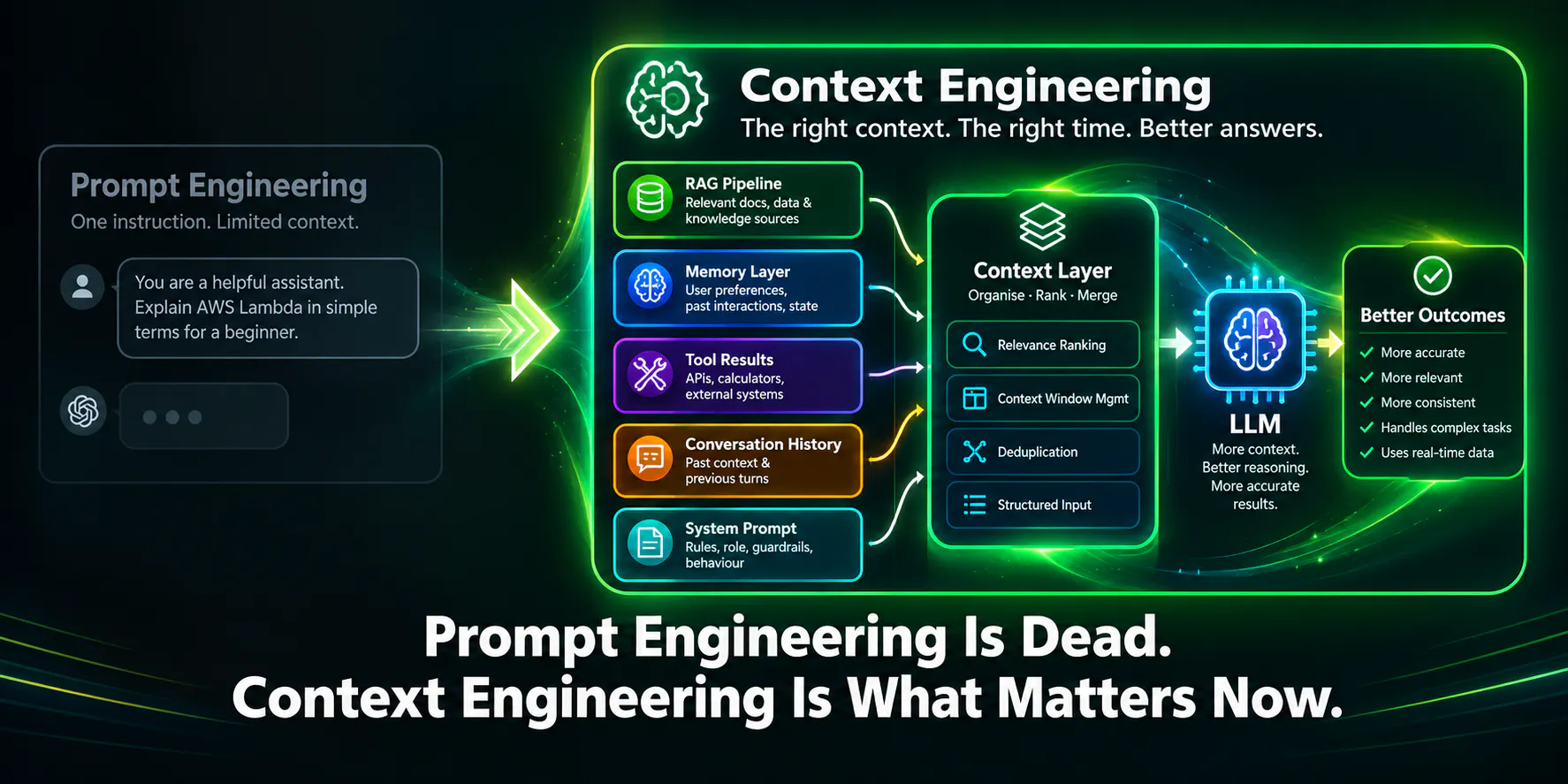



Consumers use artificial intelligence to research products, compare services, and discover businesses, so AI visibility is becoming a key consideration for digital marketing. An AI visibility tool can help businesses see how their brands appear in AI-generated answers and recommendations. Alongside traditional search engine optimization (SEO), this lets brands find gaps in their digital presence and potentially make better-informed content decisions.
What is AI visibility and how does it work?
AI visibility refers to how often, and in what context, a brand appears in responses generated by artificial intelligence systems. These responses may mention a business by name, recommend its products, summarize its services, or cite its website as a source of information.
Traditional SEO generally focuses on improving a website’s position in search engine results pages, but AI-powered discovery works differently. Instead of presenting a list of links, conversational tools generally synthesize information from multiple sources into one response.
A strong website ranking doesn’t guarantee a brand will appear in AI-generated answers because visibility varies by platform, prompt wording, available sources, and the question’s context.
Why AI visibility is becoming important for brands
AI-assisted research is changing how consumers gather information before purchasing. Rather than opening several websites, they can ask an AI tool to compare products, explain technical specifications, identify suitable options, or summarize reviews.
Research illustrates how AI-generated answers can influence website traffic. A Pew Research Center analysis of browsing activity from March 2025 found that when a Google AI summary appeared, users clicked a traditional search result in 8% of visits, compared with 15% of visits without one. Only 1% of visits to pages featuring an AI summary resulted in a click on a link within the summary itself.
When a brand appears accurately in a relevant recommendation, it can become one of the options a customer considers. However, missing information, outdated product details, or an incorrect description might lead potential customers to consider alternatives. AI visibility is about both brand awareness and the accuracy of a business’s information.
How brands can measure AI search visibility
Measuring AI visibility requires a consistent approach because responses can change across platforms and over time. A single successful recommendation doesn’t mean that a brand has sustained visibility.
Businesses can start by establishing a baseline using questions their customers are likely to ask. These could include:
- Which project management tools suit small businesses?
- What features should buyers look for in energy-efficient appliances?
- Which skincare products are designed for sensitive skin?
- What should a company consider when selecting a cybersecurity provider?
For each relevant prompt, marketers can record whether their brand appears, whether it receives a recommendation, which sources are cited, and whether the information is accurate.
A company might appear in an answer but be described incorrectly, linked to an outdated product, or removed from the sources supporting a recommendation. With the new Universal Shopping Cart, appearing accurately in search results matters more than ever.
Testing multiple variations of the same question can also reveal patterns. For example, a local service provider might appear when users search for its exact business category but be missing when they describe a specific problem that service solves.
An AI visibility tool can support this process by helping marketers monitor brand presence, compare results, and find potential gaps. Repeating tests periodically may build a more useful picture than relying on isolated observations, but businesses should treat results as indicators rather than a universal ranking because AI responses aren’t always consistent.
Practical ways to improve brand visibility in AI search
First, maintain accurate information. Ensure official websites provide current product descriptions, service details, pricing (where appropriate), contact information, and company policies. Inconsistent information across reputable sources makes it harder for users and AI systems to determine what’s accurate.
Second, answer specific customer questions. Publish useful content that addresses real needs rather than just targeting keywords, since traditional SEO may not be enough anymore. Detailed product comparisons, practical guides, troubleshooting pages, and clear explanations can help people evaluate their options while giving AI systems relevant material.
Third, structure content logically. Use descriptive headings, concise explanations, informative page titles, and clearly organized supporting details to make information easier to navigate. When it’s implemented correctly, relevant structured data can also help search systems interpret facts about products, organizations, and services.
Fourth, strengthen credibility. Demonstrate expertise through verifiable claims, transparent policies, original research, and appropriate supporting evidence. Keep important information accessible to search crawlers, and review technical barriers that could prevent these crawlers from finding relevant pages.
Lastly, monitor and refine. Track changes in brand mentions, cited sources, and factual accuracy. When relevant answers consistently omit a business, review whether its website answers the question and whether authoritative, independent sources reliably describe what it offers.
For example, consider a company selling energy-efficient office lighting that would test prompts like “What lighting works best in a small office?” or “How can businesses reduce lighting energy consumption?” If its products rarely appear, the company might review whether its website clearly explains energy ratings, installation requirements, room suitability, and product specs. It could then publish a practical guide backed by verifiable product data and reassess visibility over time. This doesn’t guarantee recommendations, but it can help businesses find content gaps.
How brands can prepare for the future of AI discovery
AI visibility isn’t a replacement for traditional SEO, and should complement it. Search rankings, website engagement, conversions, referral traffic, and AI-generated brand mentions measure different aspects of discovery. Together, they provide a bigger view of how potential customers encounter a business.
Brands can prepare by establishing a regular monitoring schedule, documenting the prompts they test, and comparing results across platforms. Marketing teams should also distinguish between visibility, referral traffic, and actual business outcomes, so they don’t assume every mention leads to a sale.
As AI-assisted discovery evolves, useful content and accurate information are essential. Businesses that continually evaluate how their expertise appears across digital channels will be better positioned to spot emerging opportunities and respond to changing customer behavior.
Frequently asked questions about AI visibility
What is AI visibility?
AI visibility measures how frequently and accurately a brand appears in AI-generated answers, product recommendations, and responses to relevant customer questions.
How is AI visibility different from traditional SEO?
Traditional SEO focuses on improving a website’s discoverability and rankings in search results. AI visibility examines whether AI-powered systems mention, recommend, or cite a brand when generating answers.
How can a business check its AI visibility?
A business can test relevant customer prompts across AI-powered platforms, record brand mentions and citations, verify factual accuracy, and repeat the process regularly. Monitoring tools can help organize these observations and identify potential gaps.
Can businesses improve their AI visibility?
Businesses can improve their chances of being discovered by keeping information accurate, publishing helpful content, organizing website pages clearly, and building credibility through reliable sources. However, no approach guarantees inclusion in AI-generated responses.
The TechCrunch editorial team was not involved in the creation of this article.