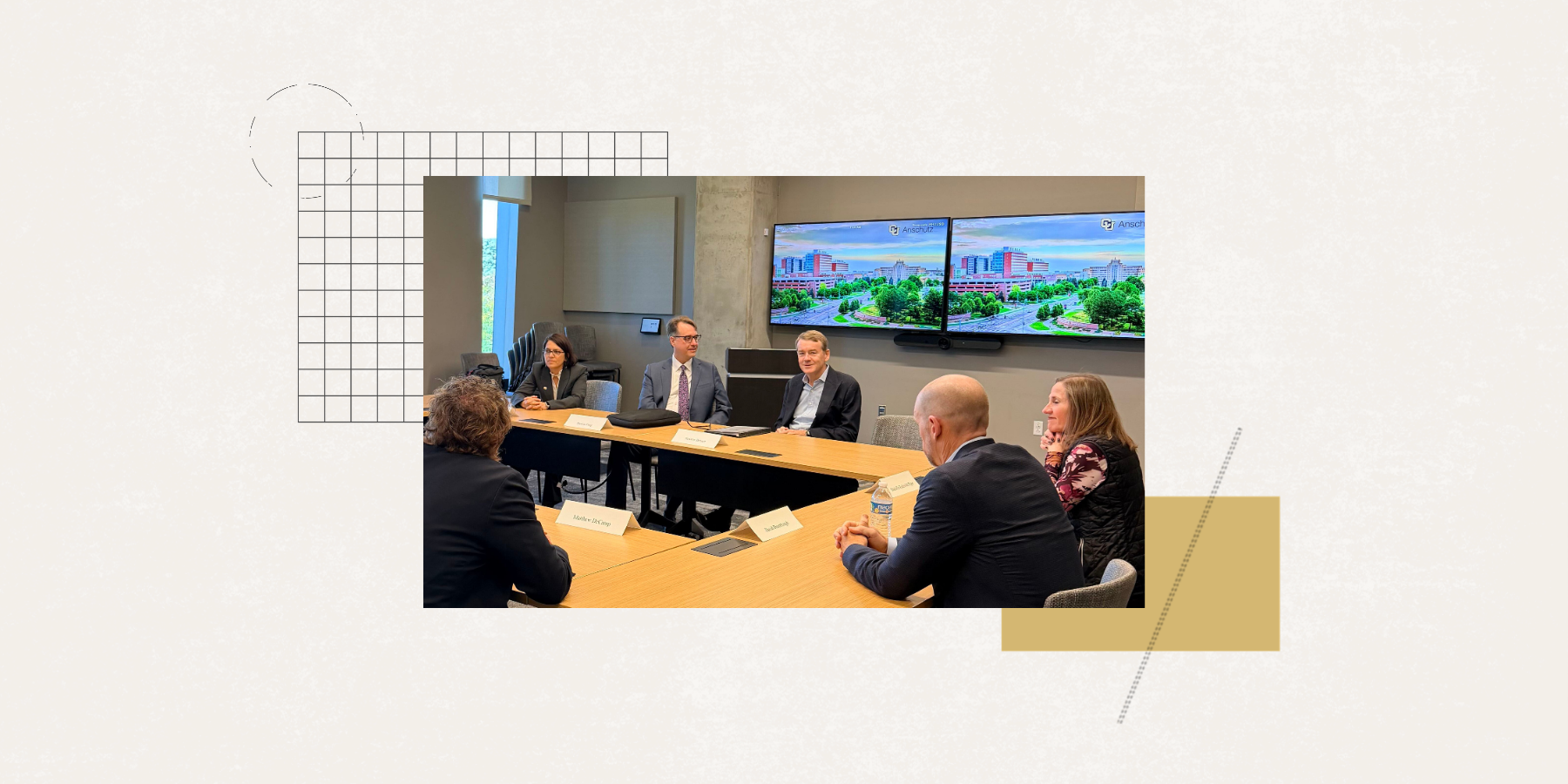




King Charles III convened roughly 30 technology executives, government officials, and ethics researchers at Dumfries House in Scotland on September 17 for a closed-door summit on the responsible development of artificial intelligence. The guest list read like a who’s-who of the AI industry, with representatives from Nvidia, Google DeepMind, OpenAI, and Anthropic all in attendance.
UK AI Minister Kanishka Narayan and Vatican AI adviser Paolo Benanti rounded out the room, lending the gathering a rare blend of political, corporate, and moral authority. The Ditchley Foundation facilitated the sessions, which centered on establishing principles for AI that serves society without undermining human dignity or environmental goals.
Gloria
Thousands of headlines moved markets today. Gloria Finance shows you the three that matter most to your portfolio.
See what matters →
A king, a CEO, and a Vatican adviser walk into a castle
Charles opened with remarks that acknowledged AI’s dual nature. The technology holds enormous promise, he noted, but safeguards must be in place to prevent misuse. It’s a message he has been refining since at least the 2023 AI Safety Summit at Bletchley Park, where the UK government first positioned itself as a global convenor on AI governance.
That 2023 gathering produced the “Bletchley Declaration,” signed by 28 countries including the US and China, acknowledging AI’s potential risks. The Dumfries House summit represents a continuation of that thread, though with a distinctly different character. Where Bletchley was a government-led diplomatic event, this was a private, invitation-only conversation hosted by the monarch in a personal capacity.
Charles positioned himself as a neutral convenor rather than a policymaker, creating space for candid discussion without the pressure of producing communiques or regulatory frameworks.
Safety testing as an emerging industry norm
Among the most notable moments was Nvidia CEO Jensen Huang’s remarks on the necessity of halting the release of unsafe products. Attendees reportedly expressed a collective commitment to rigorous testing and the safety of AI technologies, particularly given the pace of recent capability advances. The conversation touched on existential risks.
No binding agreements emerged from the summit. No joint statements were signed. No policy frameworks were announced.
The Vatican factor
Paolo Benanti’s presence deserves its own mention. A Franciscan friar and professor of ethics at Rome’s Pontifical Gregorian University, Benanti serves as the Vatican’s primary adviser on AI.
What this means for the AI landscape
The Dumfries House summit fits into a broader pattern of AI governance activity that has accelerated since 2023. The EU’s AI Act entered into force in stages. The US has oscillated between executive orders and legislative proposals. China has implemented its own set of AI regulations. And the UK has carved out a distinctive niche as a convenor rather than a regulator, hosting forums where different stakeholders can build consensus before formal rules take shape.
Disclosure: This article was edited by Editorial Team. For more information on how we create and review content, see our Editorial Policy.